Guidance systems and numerous assistance systems have become established in agriculture. By combining various assistance functions, Fendt tractors achieve Level 3 autonomy today. With the “OutRun Grain Cart” and “OutRun Tillage” retrofit kits, Fendt tractors can be used autonomously for grain harvesting or tillage operations.
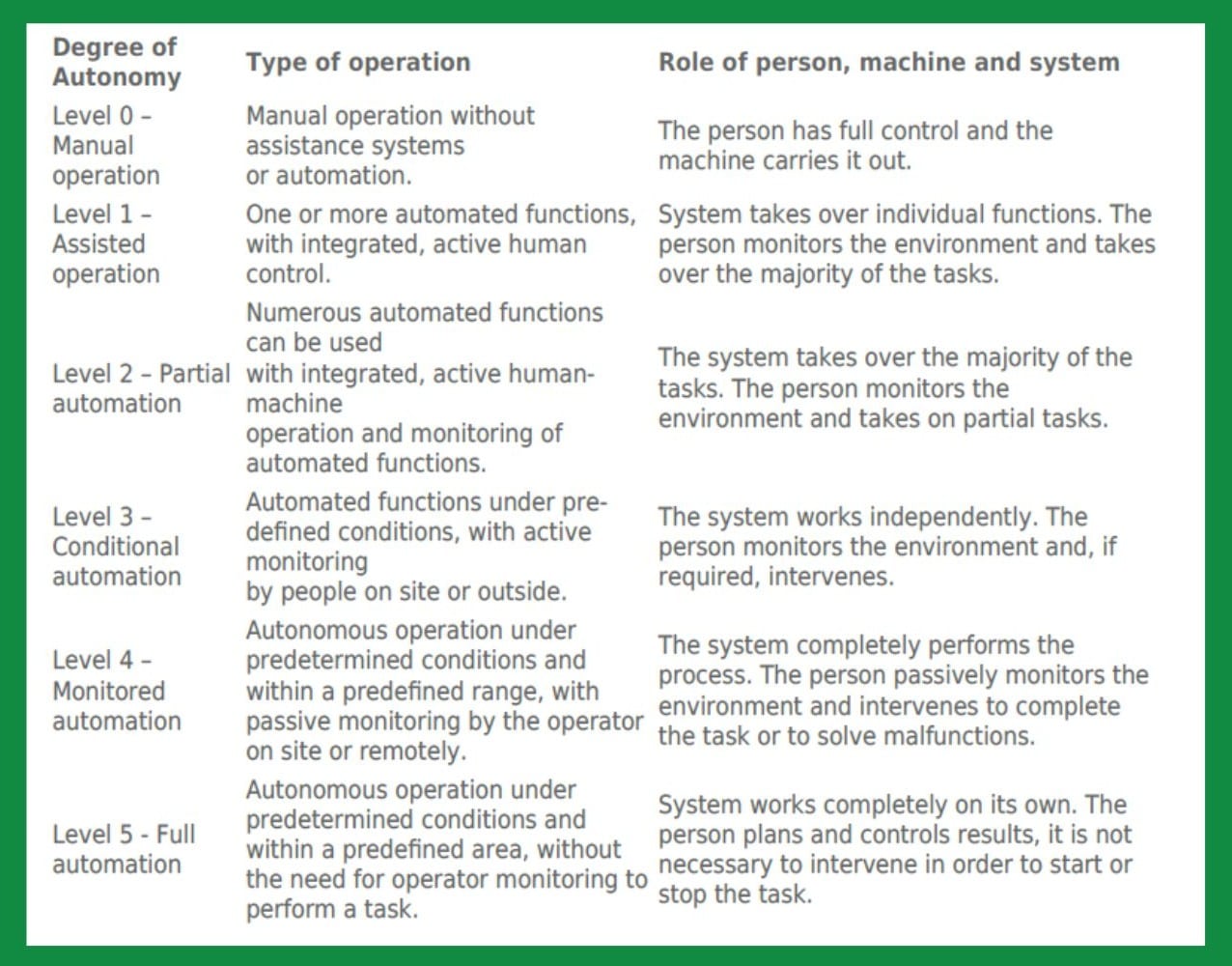
Fendt machines with the available FendtONE onboard features achieve, depending on the equipment, autonomy Level 3 ex works according to the Society of Automotive Engineers (SAE) classification for commercial vehicles. This means that the machine takes over defined tasks independently, the driver remains ready to react. The scale ranges from Level 0 to Level 5. At Level 0, the person controls the machine completely. At Level 5, the system works fully autonomously; the person plans its use and checks the result.
Level 1: Driver assistance
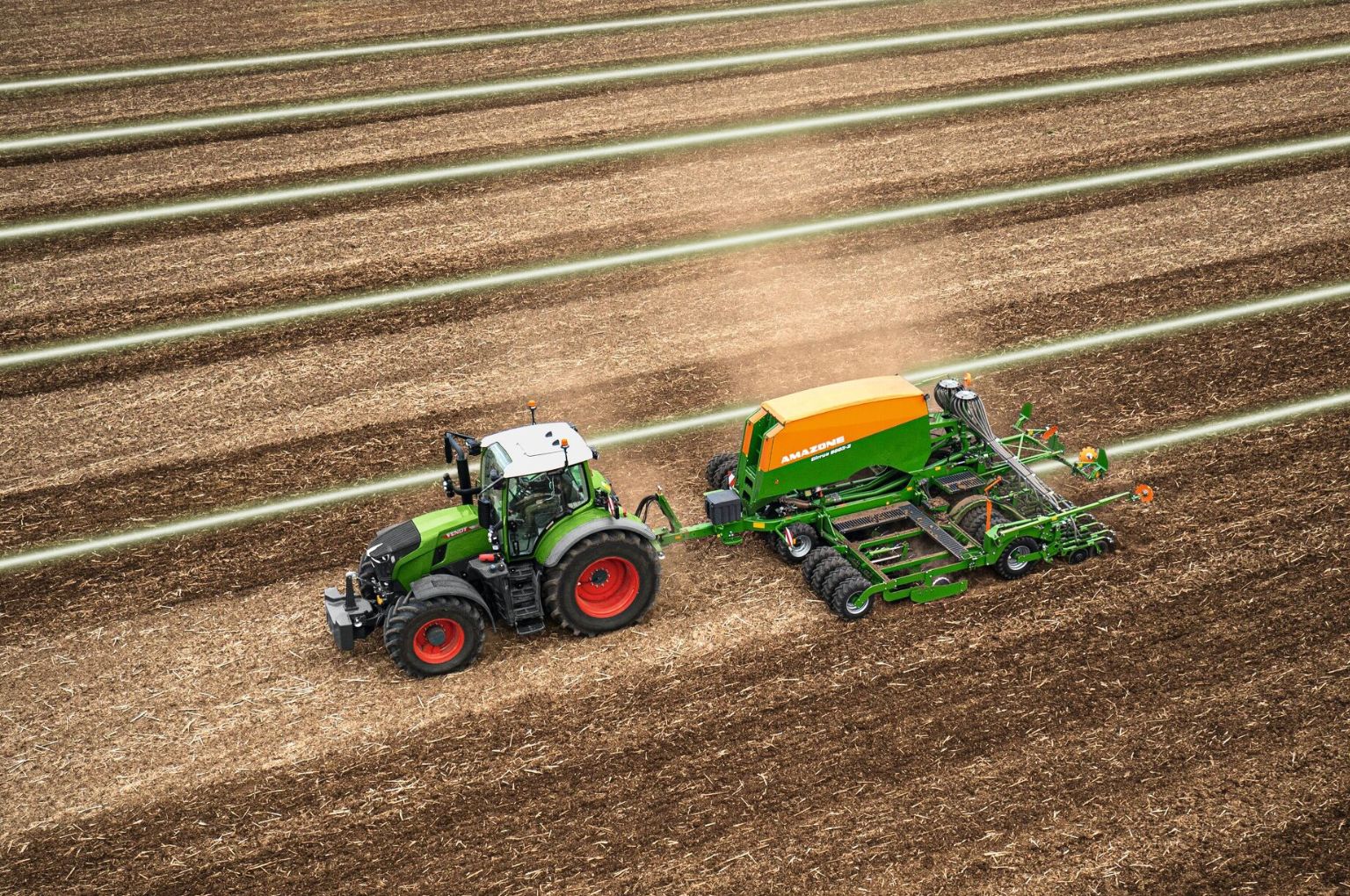
At Level 1, assistance systems support the driver, who continues to control the work by himself. Fendt machines have functions in all equipment variants that support drivers in their work. The basis for this is the FendtONE operating platform with the onboard driver’s workstation in the cab and the offboard application for task planning in the office. Fendt Guide guidance system and the ISOBUS-based control of implements, such as Fendt Section Control, also fall into this stage. The systems relieve the driver of partial tasks, for example by automatically controlling the implement, without taking over the work process itself.
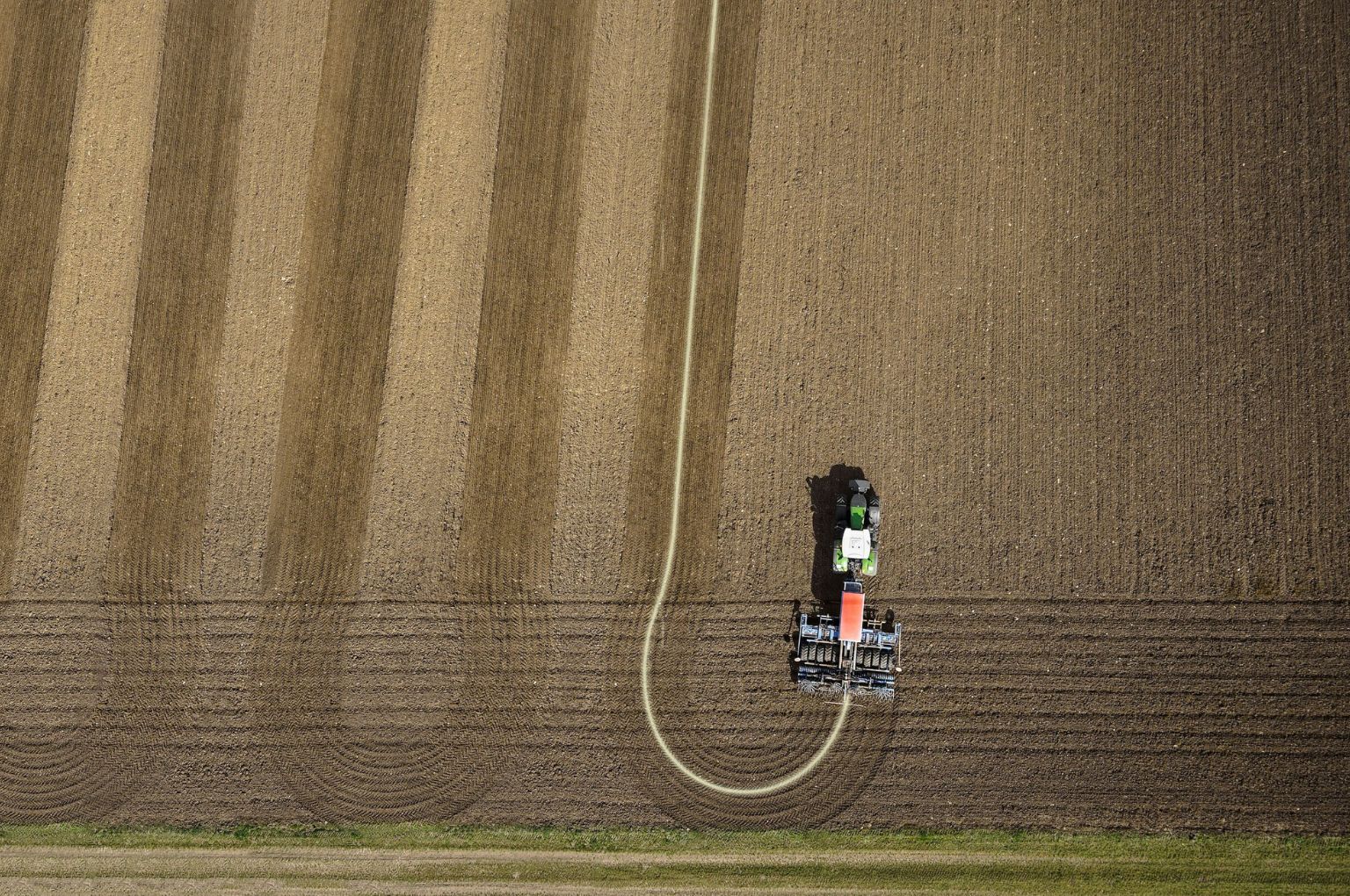
Level 2: Partially automated processes
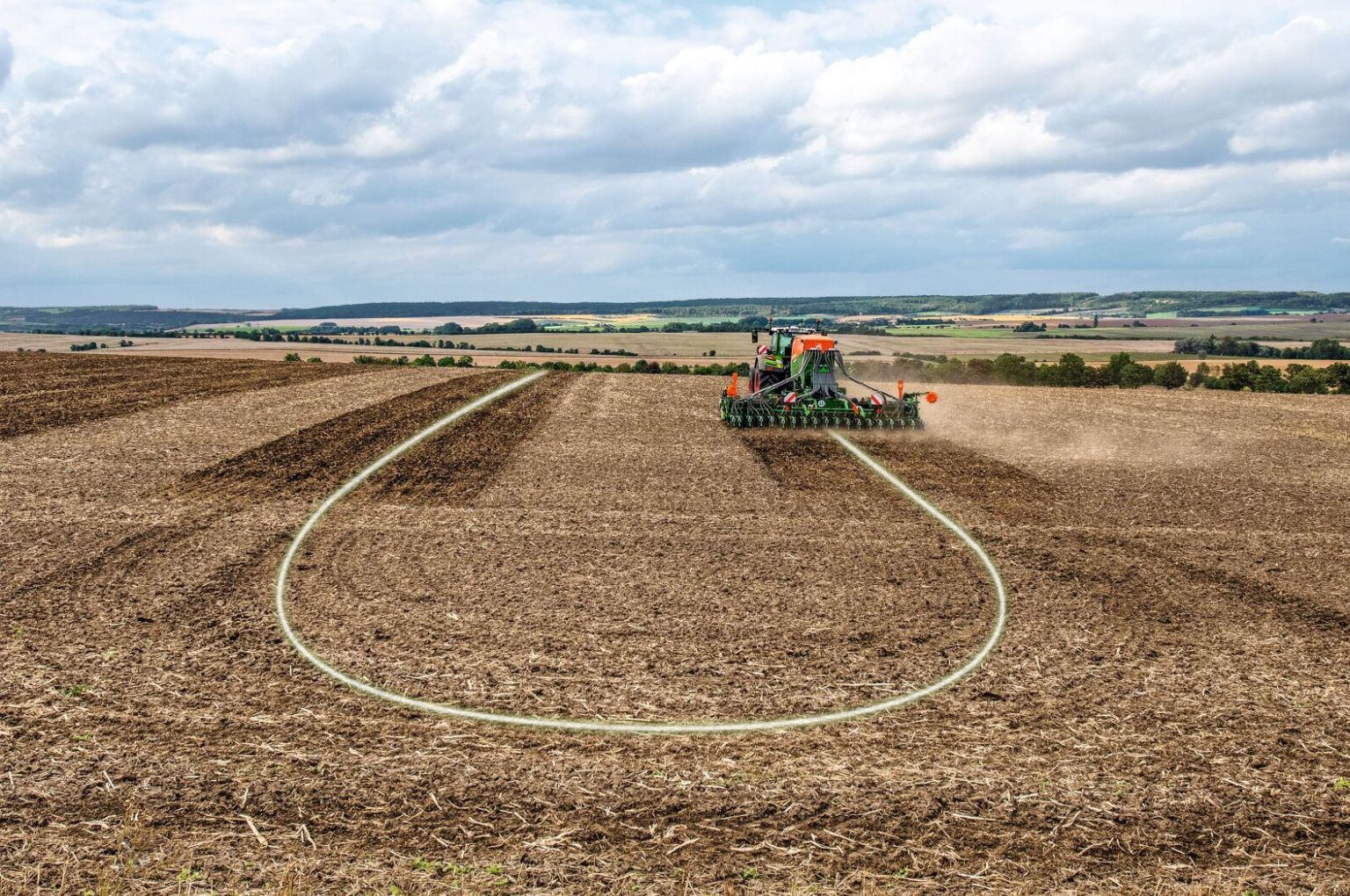
At Level 2, the machine takes over several tasks of a work process independently. The driver monitors the process and intervenes if necessary. One example is the combination of guidance applications with Fendt Guide and Fendt TI Headland, the automatic headland management. When sowing, the guidance system guides the team. Before its turning manoeuvre, the tractor stops the seed dosing, lifts the seed drill and switches off the PTO. It reduces speed, turns at the headland and activates all systems again after the turning process and continues the sowing. Fendt Workgroup is also part of Level 2. By exchanging field data on one area, several machines work clearly and reliably. The drivers mainly focus on monitoring the tractor.
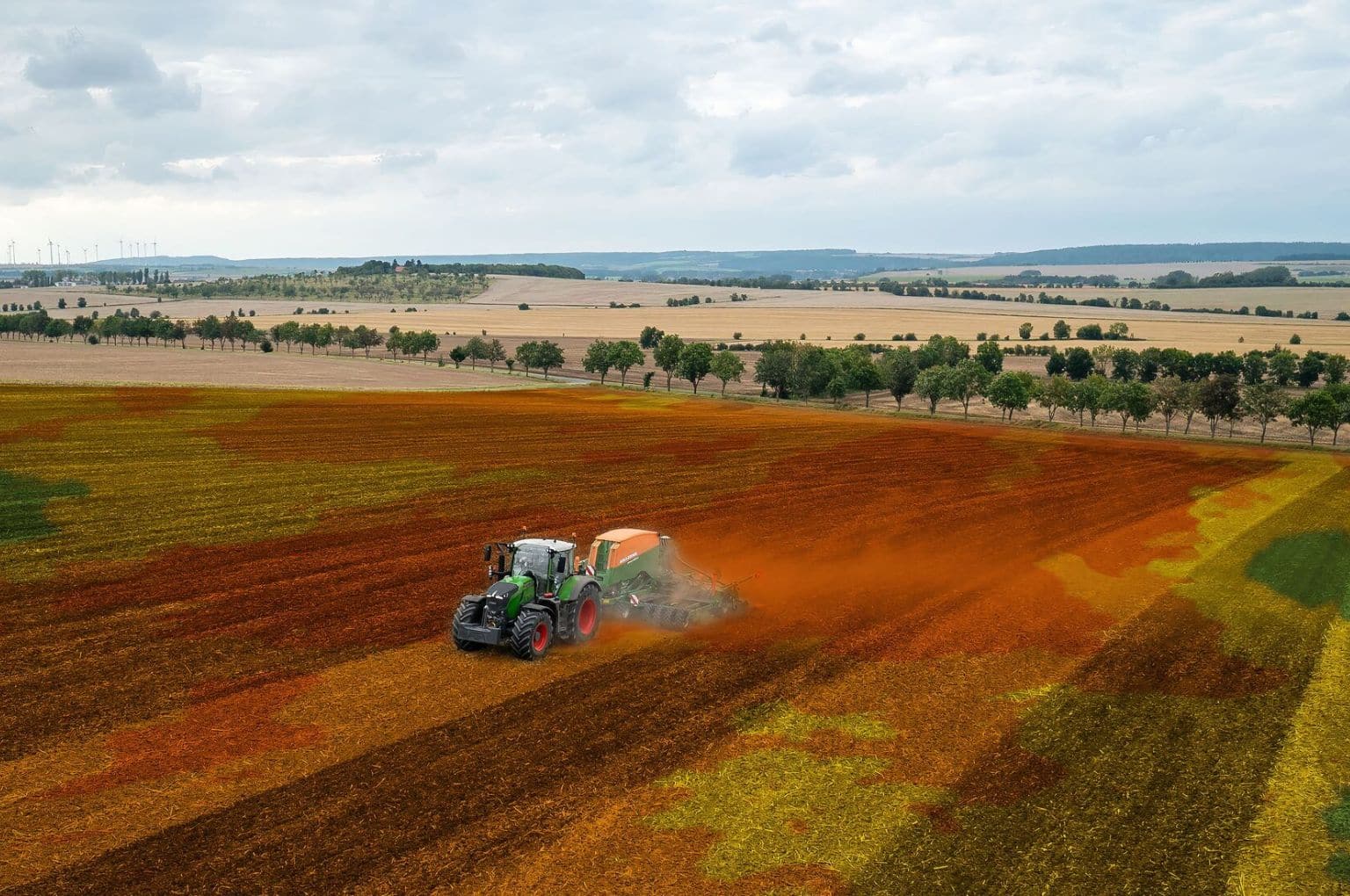
Level 3: Fully automated with driver monitoring
To meet Level 3 automation, a system must work independently. The driver remains willing to take over, they monitor the process, the environment and the result, only intervening if necessary. One example is automated spot spraying, the precise application of pesticides in combination with the guidance system with headland management. Guidance system, automatic headland management and partial area- specific processing work together and only apply the agent where needed. This creates a fully automated work process under the supervision of the driver.
Level 4: monitored automation with PTx OutRun for Fendt tractors
The PTx OutRun retrofit kit with the Tillage and Grain Cart applications shows how Level 4 can be used in practice. With the autonomous retrofit system OutRun, PTx Trimble presents a platform that enables farmers and contractors to enter into autonomous field work. The PTx OutRun Grain Cart solution enables the driverless, autonomous use of a grain cart during harvest. Since July 2026, the platform has also been expanded to include autonomous soil cultivation with OutRun Tillage. Both autonomous solutions run the same OutRun hardware and software. The retrofit solution is designed for existing machines and will be available in certain regions for the Fendt 900 Vario and Fendt 1000 Vario tractor series in the future.
Autonomous support for grain harvesting
During the harvest, skilled workers are often a bottleneck. With OutRun Grain Cart, a tractor equipped with sensors, connectivity and autonomous controls takes over recurring transport tasks in the field with grain carts. The combine harvester can request the team directly from the cab via a tablet or iPad. The tractor then drives autonomously from the edge of the field to the combine harvester. With OutRun, the team automatically aligns itself for refueling while driving. Once the process has been completed, the combine harvester can assign new tasks to the team or send it to the defined transfer point. There, the crop can be transferred to a truck or other transport vehicles. The system supports both front and rear approaching to the combine harvester and automatically aligns itself. If necessary, the system also makes corrections to ensure a continuous grain cart following process. The existing guidance and steering systems of the combine harvester remain unchanged.
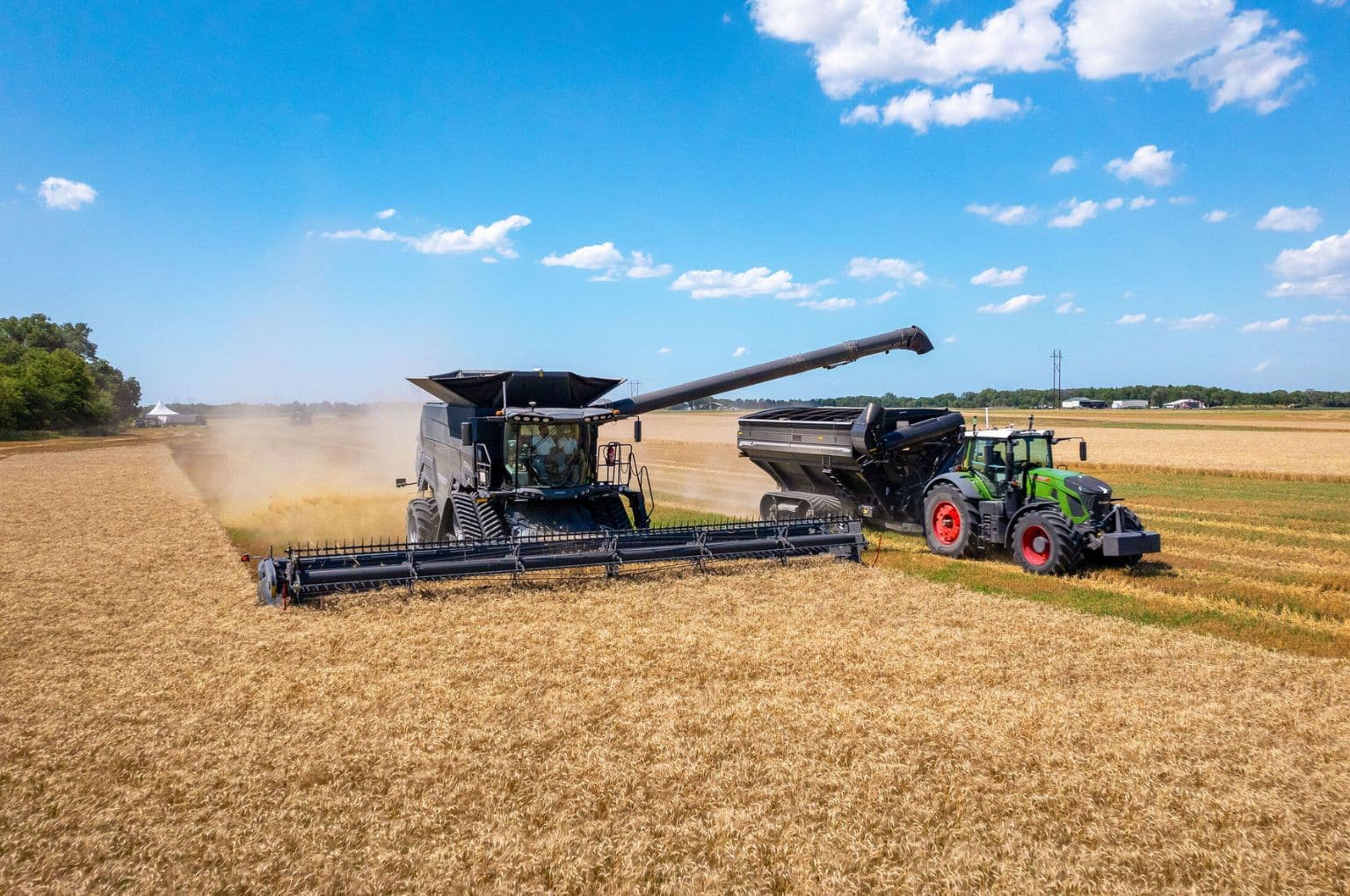
In addition to relieving the driver, OutRun contributes to the optimization of harvest logistics. The system uses established waylines of the combine harvester to create recurring traffic routes in the field. This can reduce soil compaction. At the same time, driving speeds, transfer points as well as slow-speed and restricted zones can be adapted to the respective field conditions. The autonomous support enables farms to use existing employees for other important tasks, such as road transport, the drying systems or further work in the harvesting process.
Next step: Autonomous soil cultivation
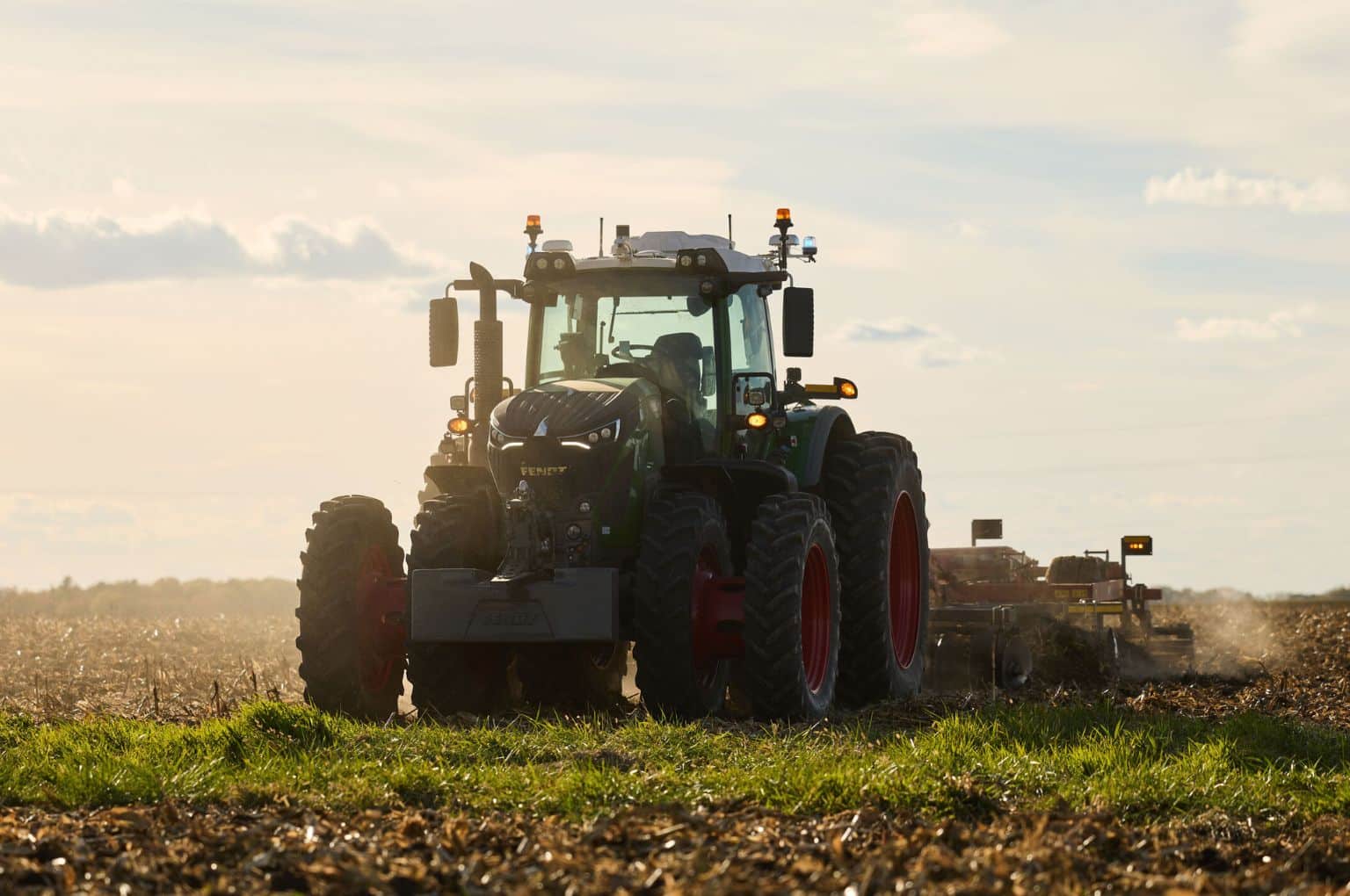
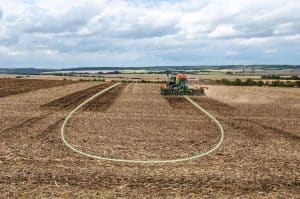
With OutRun Tillage, PTx Trimble expands the OutRun platform with the functionality for soil cultivation. After an initial manual crossing to determine field boundaries, obstacles and to calibrate the implement, OutRun takes over further processing autonomously. The operator can then monitor the machine remotely via the OutRun app and intervene if necessary.
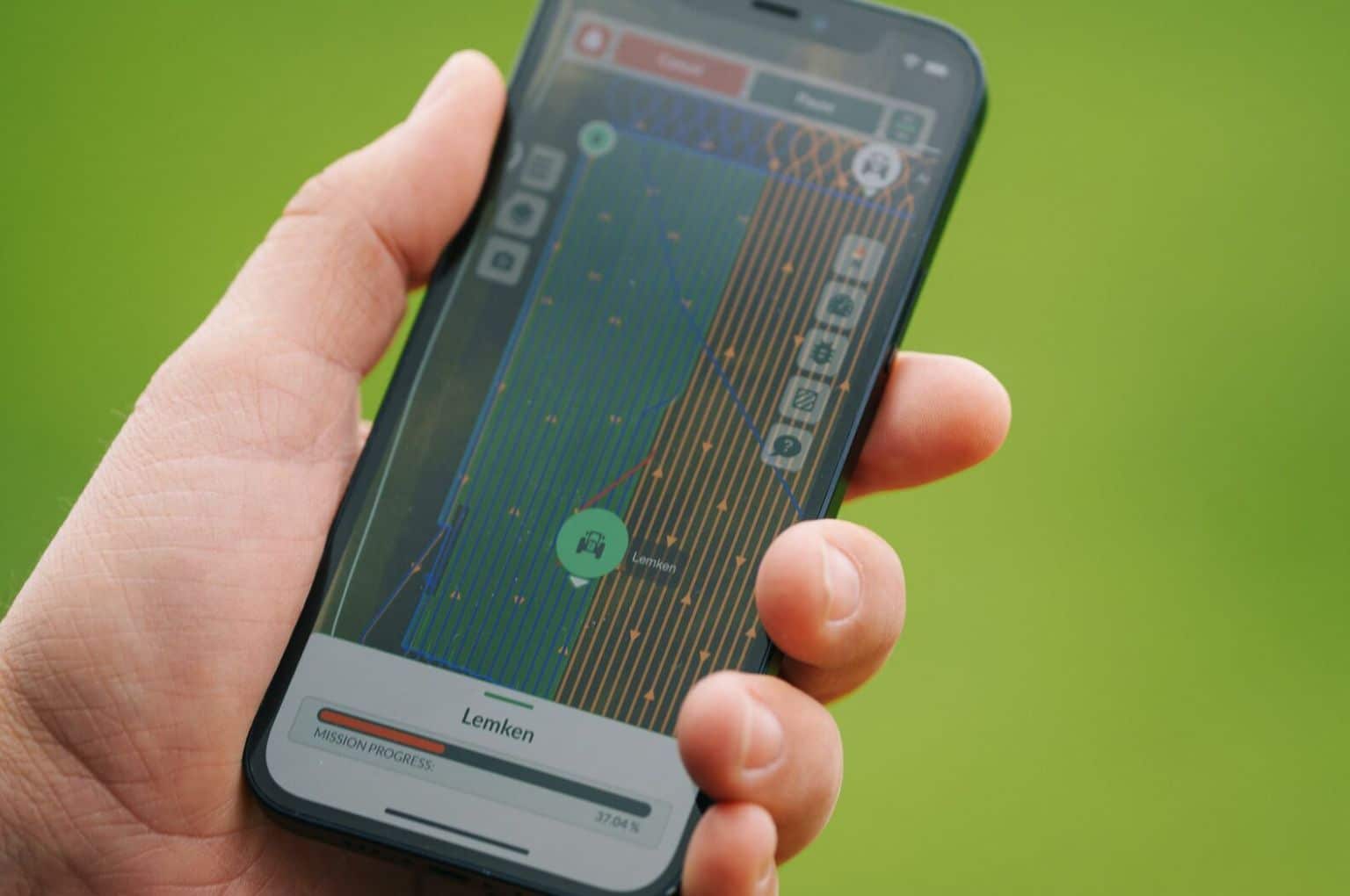
Work progress, image recording, a live 360- degree video stream and system messages can be controlled via its own app. In addition, virtual borders, restricted areas, slow-moving areas and processing patterns can be flexibly adapted.
The system creates optimized driving strategies to improve area performance and fuel efficiency.
Especially in labour-intensive time windows, autonomous soil cultivation helps to carry out field work on time and to use employees for other operational tasks. Among other things, timely processing promotes nutrient availability and the breakdown of crop residues and optimises the conditions for subsequent work steps.
OutRun has built-in safety features with obstacle detection, virtual field boundaries, and automated alerts. Sensors continuously monitor the tractor’s surroundings. If obstacles are detected, the system initially reduces the speed, stops completely if necessary and informs the operator via the app. Moving obstacles are monitored until the lane is free again.
Modular platform for future applications
OutRun is based on a modular retrofit concept. The retrofit kit can be used for various tractors and application areas. This creates a platform that will be able to take on further autonomous tasks in addition to processes in harvesting and soil cultivation. The solution uses Starlink. This ensures a satellite-based, reliable connection even in regions with limited mobile coverage. With PTx OutRun, farmers decide whether a driver controls the tractor or whether a tractor autonomously takes over the task with OutRun. An additional machine for autonomous operations is therefore not necessary and the existing fleet is working more efficiently. The hardware is also designed for future expansion of the OutRun applications.
PTx OutRun is available in North America and Australia, as well as South America for the Fendt 900 and 1000 Vario series.