The United States and Canada represent one of the world’s key markets for high-horsepower agricultural machinery. Large farming areas, increasingly concentrated production and the widespread adoption of precision farming technologies, continue to drive demand for high-capacity tractors, combines, planters and sprayers. After the record years of 2022-2023, however, the market has slowed sharply. We had the opportunity to take a closer look during a Fendt-organized trip through Minnesota and Iowa, culminating in a visit to the recently held Farm Progress Show.
By Stefano Agnellini, Trattori Magazine, Italy
When it comes to North American agricultural mechanization, size and horsepower inevitably take on a different meaning compared with Europe. Tractors with more than 600 hp, large tracked machines, extremely wide planters, high-capacity combines and self-propelled sprayers are not simply the result of a race towards ever-larger machinery. They are a response to the need to manage vast areas with relatively few operators, completing field operations within often very narrow working windows.
Together, the United States and Canada represent one of the world’s major Large Ag markets, although their respective shares are very different. The US accounts for approximately 78 percent of the North American market for large agricultural machinery, compared with 22 percent for Canada.
Almost 355 million hectares in the US
The United States has approximately 1.9 million farms covering 876 million acres, equivalent to around 354.5 million hectares. The vast majority are still family-run operations, although a relatively small proportion of large farms accounts for a substantial share of agricultural production. Farms with annual sales of at least one million dollars represent only 6 percent of the total, but manage almost one-third of the agricultural land and account for more than three-quarters of agricultural sales.
It is primarily this group of professional, highly capitalized farming operations that represents the key customer base for manufacturers of high-capacity agricultural machinery. Crop distribution also plays an important role in shaping the market. In 2026, corn covers 95.3 million acres, approximately 38.6 million hectares, soybeans 85.4 million acres, around 34.6 million hectares, and wheat 42.7 million acres, just over 17 million hectares.
Corn and soybeans dominate the Corn Belt, making states such as Iowa, Illinois and Minnesota one of the most important agricultural machinery markets in the world. Here, the ability to plant, spray and harvest thousands of hectares at precisely the right agronomic moment can have a greater impact on profitability than the absolute purchase price of the machine.
Canada: fewer farms, but large-scale operations
Canada has a considerably smaller total agricultural area, but in its major grain-growing regions individual farms – and particularly individual fields – can reach impressive dimensions. The country has approximately 190,000 farms covering 154 million acres, equivalent to 62.2 million hectares.
In the Prairie Provinces – Saskatchewan, Alberta and Manitoba – large-scale extensive farming systems dominate, based primarily on wheat, canola, barley and pulses. In 2026, wheat covers approximately 25.3 million acres, or 10.2 million hectares, while canola accounts for 23.4 million acres, approximately 9.5 million hectares. Ontario and Québec, by contrast, have more diversified farming systems, including corn, soybeans, livestock and dairy production.
The result is strong demand for high-horsepower tractors, large planting and tillage equipment and high-capacity combines, particularly across the vast, regular fields of the Prairies.
Fewer farmers, more technology
A structural trend common to both countries is the progressive concentration of farming operations. In the United States, the number of farms fell by 7 percent between 2017 and 2022, while a similar trend has been underway in Canada for some time.
Demographics represent another challenge. The average age of US farmers is now over 58, while in Canada it is approximately 56.
With farms becoming larger and labor increasingly difficult to find, the objective is therefore no longer simply to increase available horsepower, but above all to improve the productivity of each individual operator.
RTK automatic guidance, section control, variable-rate application, telemetry and digital data management have become integral components of large farming operations. During Fendt’s North American presentation, precision farming was highlighted as one of the technologies that has become essential to maintaining productivity on larger farms.
A market built around Large Ag
This production structure has created an agricultural machinery market that differs significantly from its European counterpart. Tractors continue to play a central role, with a particularly important share represented by machines above 170 hp and by wheeled and tracked High Horsepower models, but they are only one component of a much broader ecosystem.
High-capacity combines, wide planters, tillage equipment and self-propelled sprayers are equally strategic market segments.
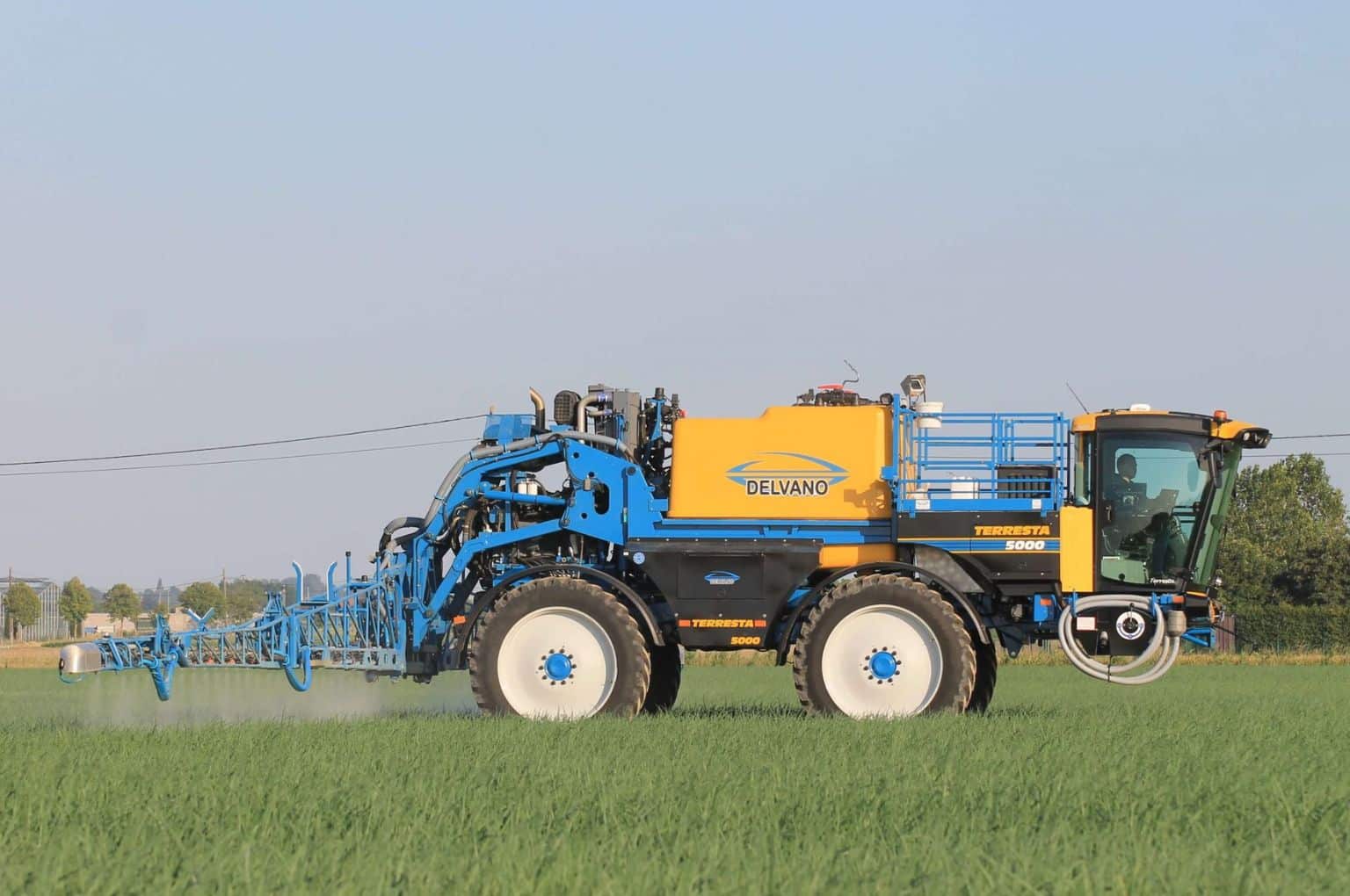
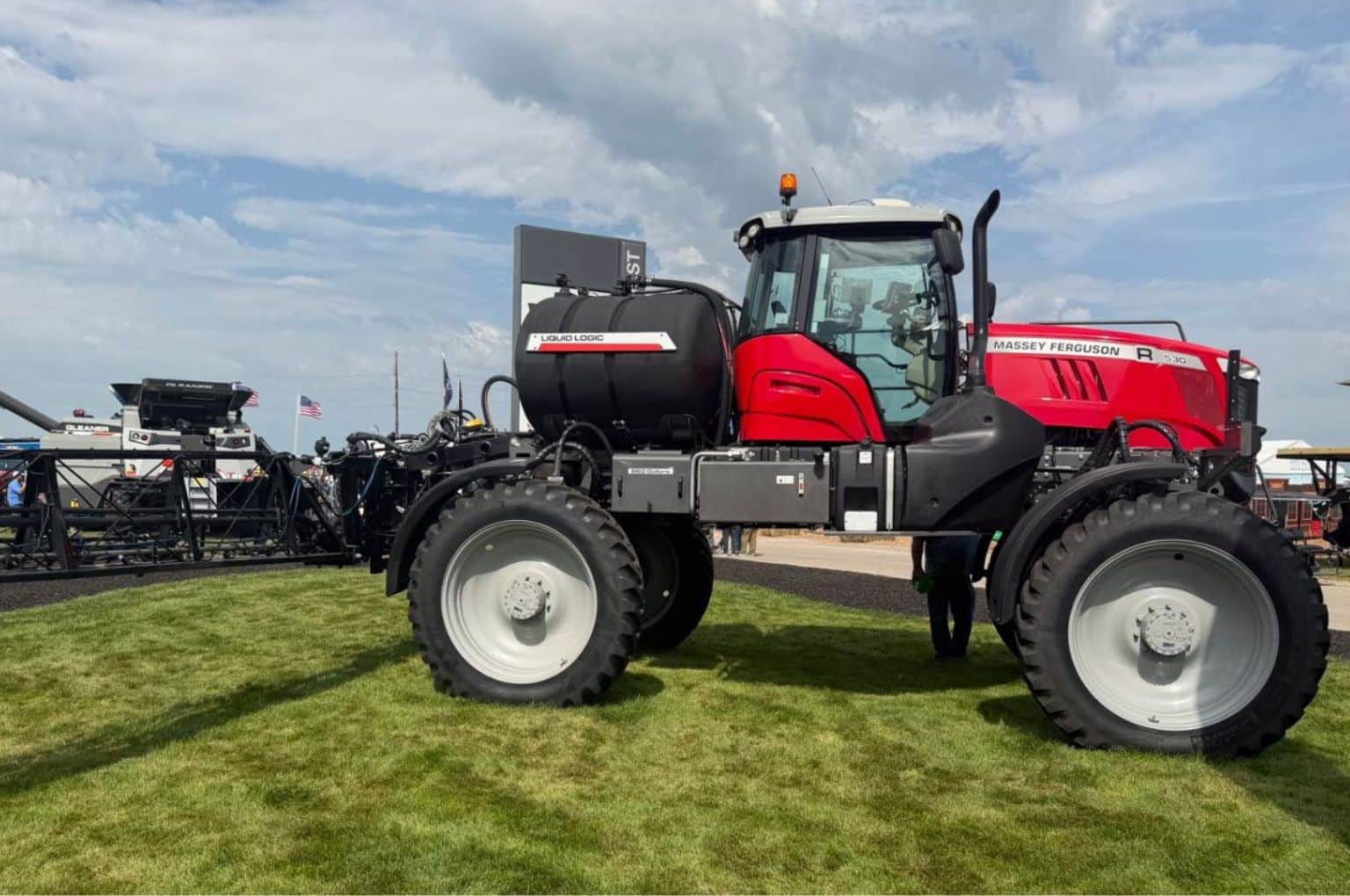
The sprayer market has a particularly distinctive structure. Some large farms own their machines directly, while others outsource spraying operations to cooperatives, agricultural retailers or professional contractors, supporting a significant market for self-propelled machines used for contract work.
In this context, machine size is primarily determined by the required operating capacity. When thousands of hectares need to be planted or harvested within a matter of days, working width, speed, automation and reliability become fundamental economic parameters.
After the boom, a sharp slowdown
Large Ag is also the segment that best illustrates the difficult economic phase currently affecting the North American agricultural machinery industry.
Following the strong demand of the post-pandemic period, the market reached its peak between 2022 and 2023 before entering a rapid downturn.
The market for tractors above 170 hp, which peaked at around 22,000-23,000 units per year, has experienced a very significant contraction. The correction has been even more pronounced in some Large Ag categories. The planter market, for example, has fallen from approximately 6,500 units to fewer than 2,000 machines.
The slowdown is the result of several factors: less favourable prices for certain commodities, high production costs, inflation and the cost of borrowing, combined with the natural adjustment following the substantial investments made between 2021 and 2023.
Many farms now operate relatively young machinery fleets and, with margins under pressure, extending replacement cycles is one of the first measures available to reduce capital expenditure.
As a result, 2026 remains at depressed levels, particularly for high-horsepower tractors and the Large Ag sector as a whole. Nevertheless, the industry believes that the market may now be approaching its low point, with the prospect of subsequent stabilisation followed by a moderate recovery.
In Boone, at the heart of American agricultural machinery
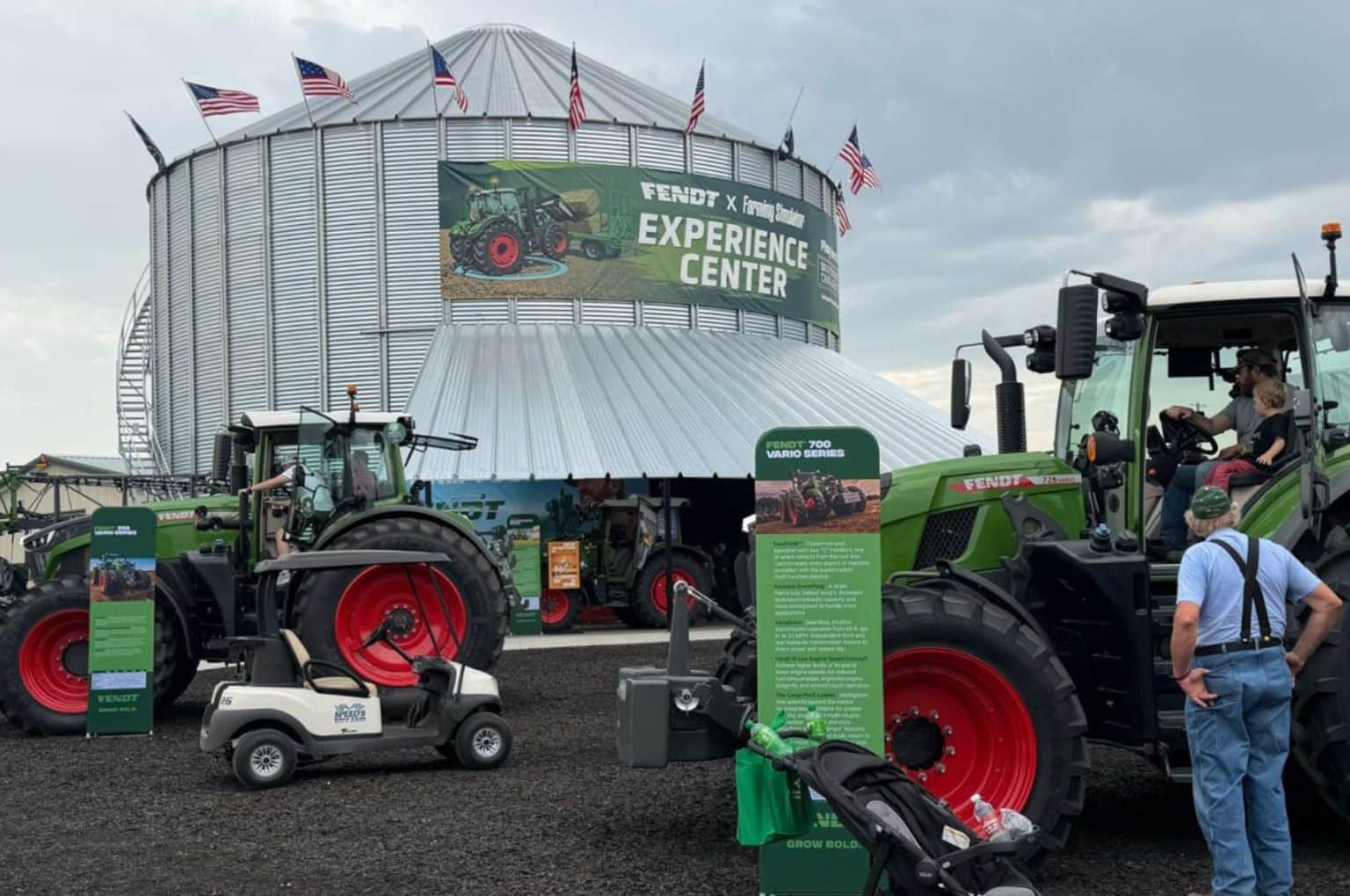
It was against this backdrop that we visited the Farm Progress Show in Boone, Iowa, as part of the trip organised by Fendt for the presentation of the new generation of the 1100 Vario MT.
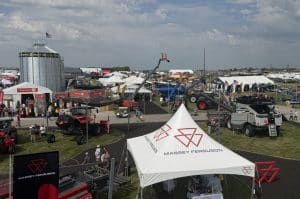
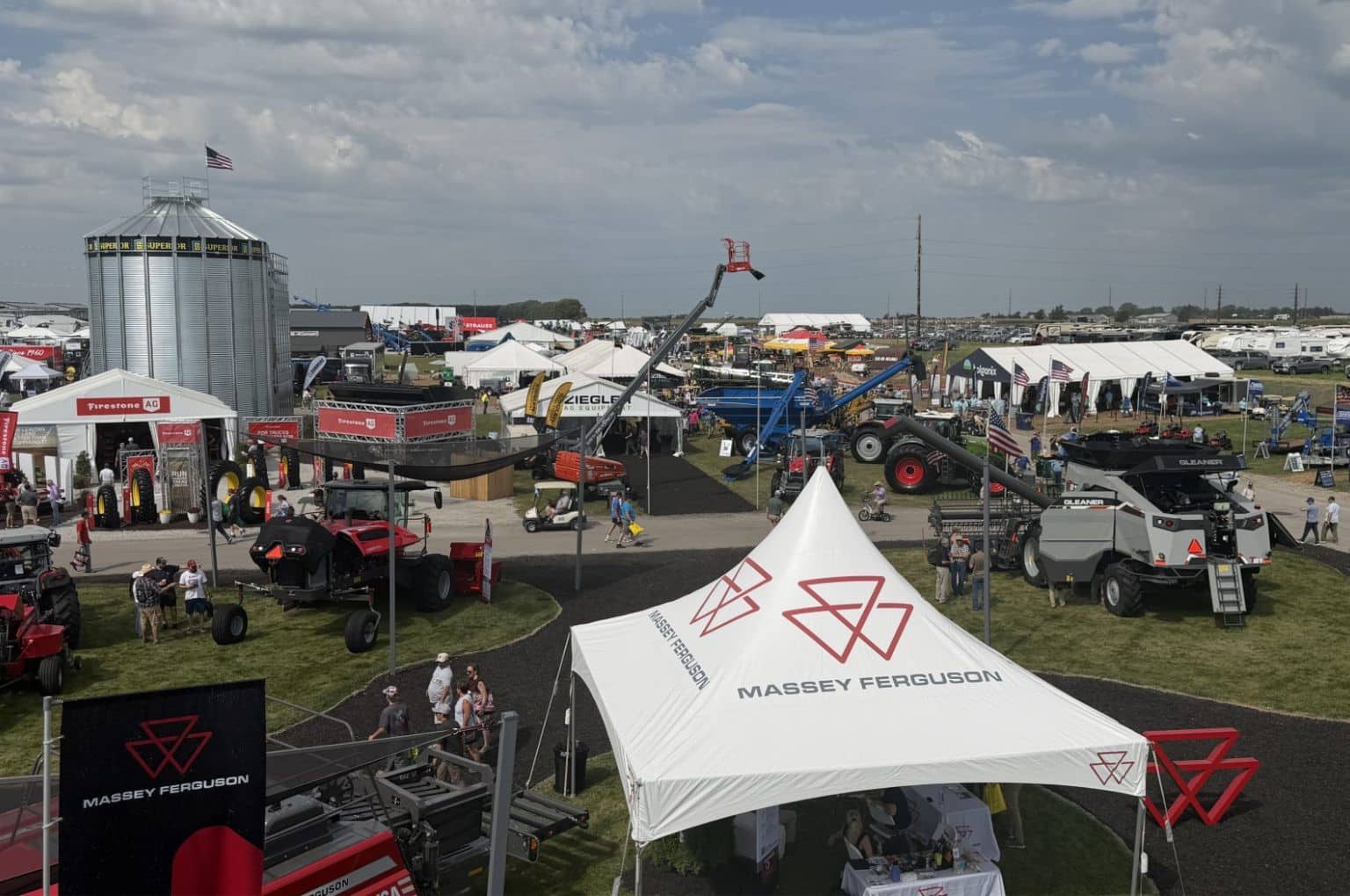
From September 1 to 3, the Central Iowa Expo hosted one of the world’s most important agricultural machinery events and the leading outdoor exhibition for the sector in North America.
First held in 1953, the Farm Progress Show now brings together almost 600 exhibitors and provides a privileged vantage point from which to observe the US market.
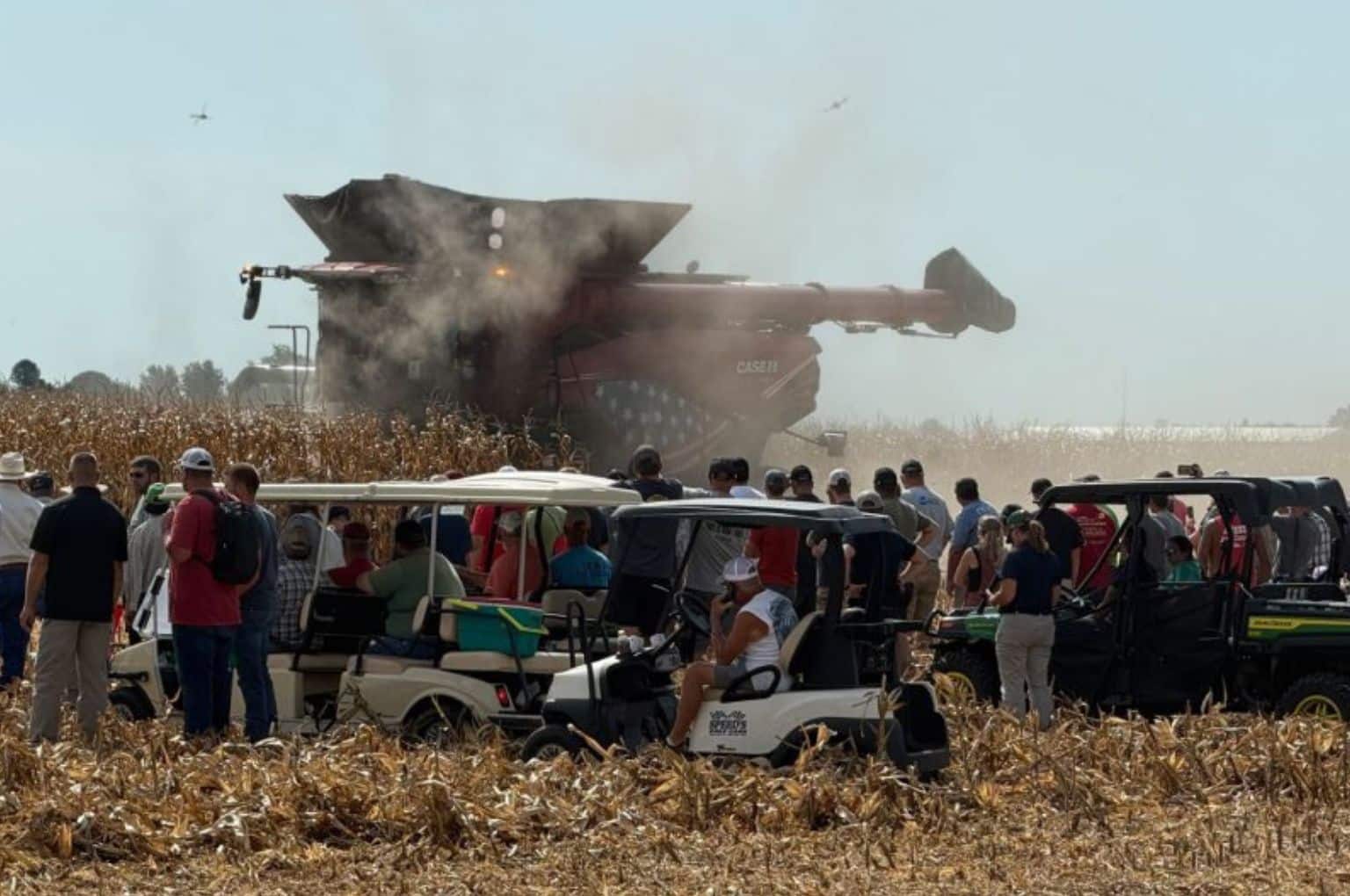
One of its defining characteristics is its location right in the heart of the Corn Belt. The showgrounds are surrounded by corn and soybean fields, while the traditional field demonstrations provide an opportunity to see tractors, combines and implements working under the very conditions for which they were designed.
One point should be made clear from the outset. The imposing scale of Europe’s major indoor exhibitions is not a feature of North American shows. Agritechnica in particular, but also EIMA, surpass the Farm Progress Show both in terms of the number of exhibitors and the scale and sophistication of their stands.
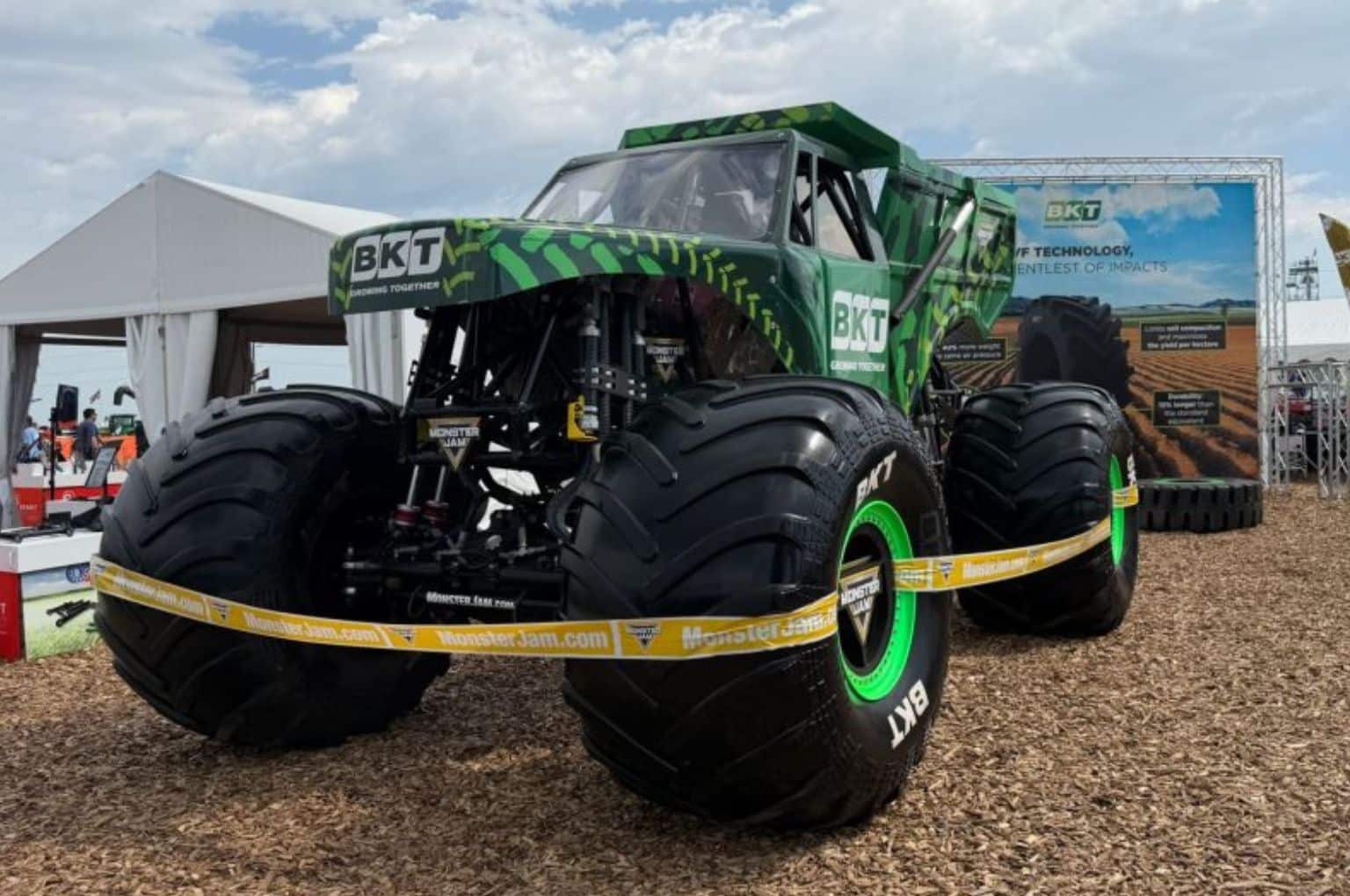
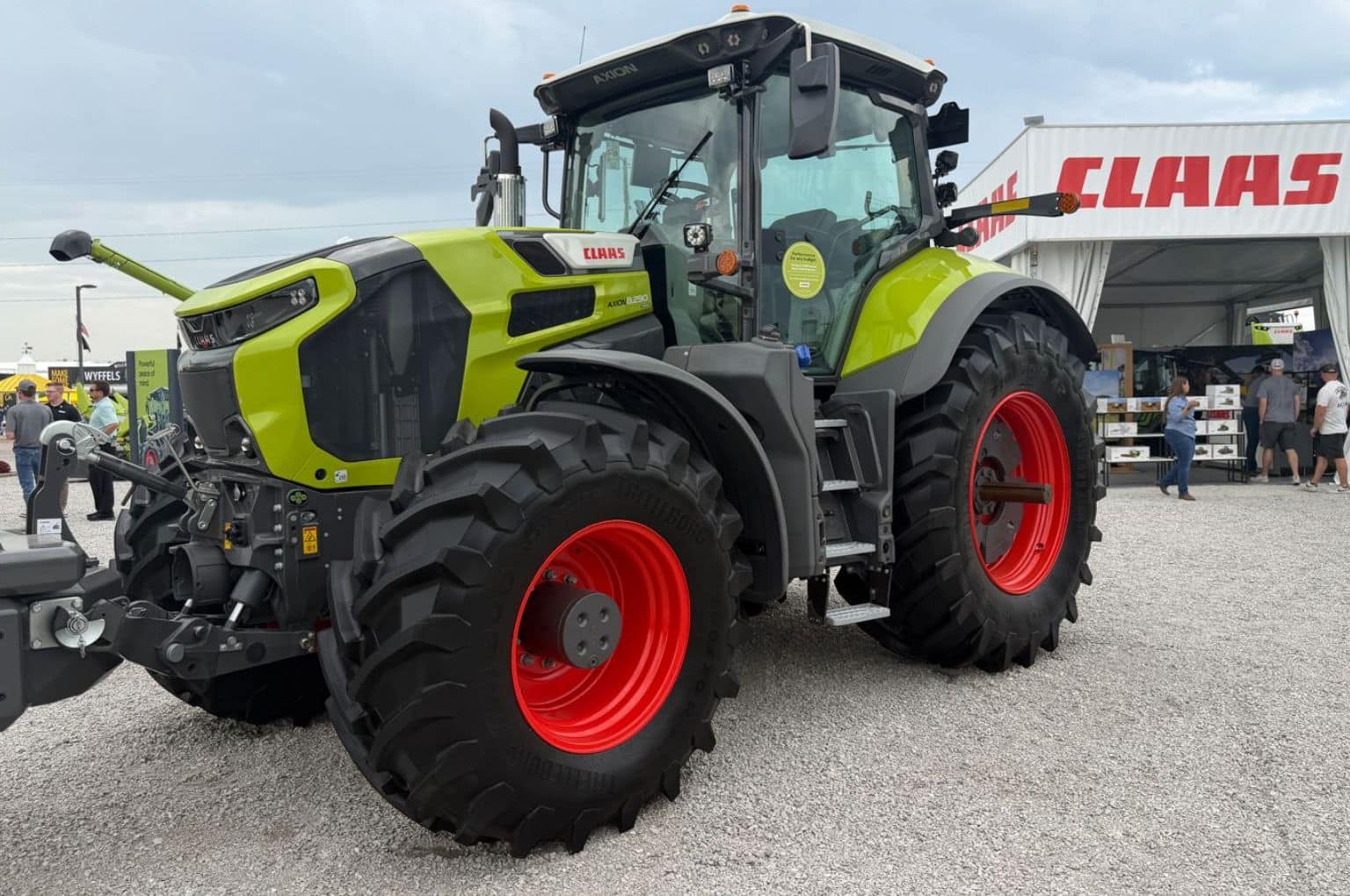
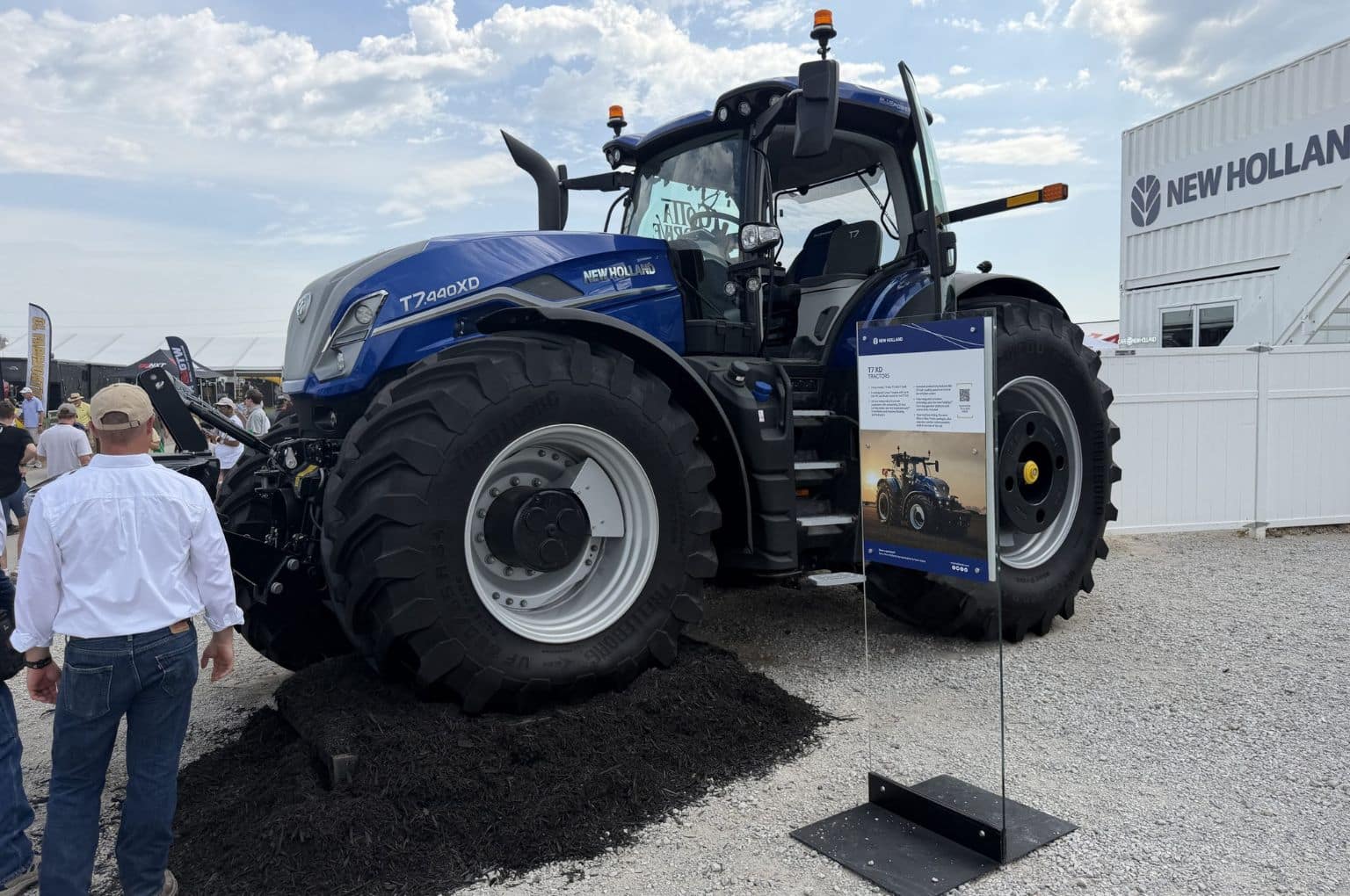
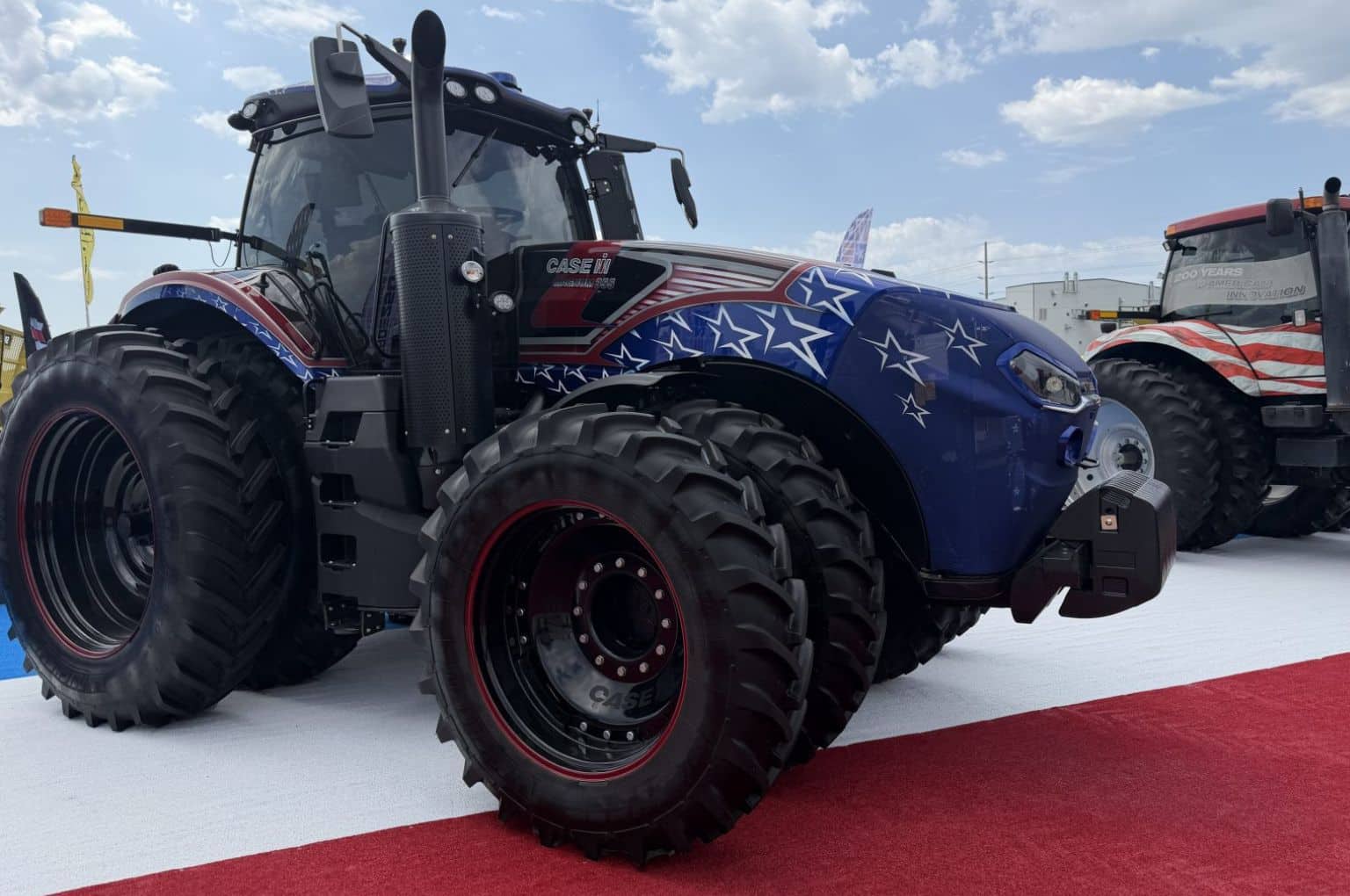
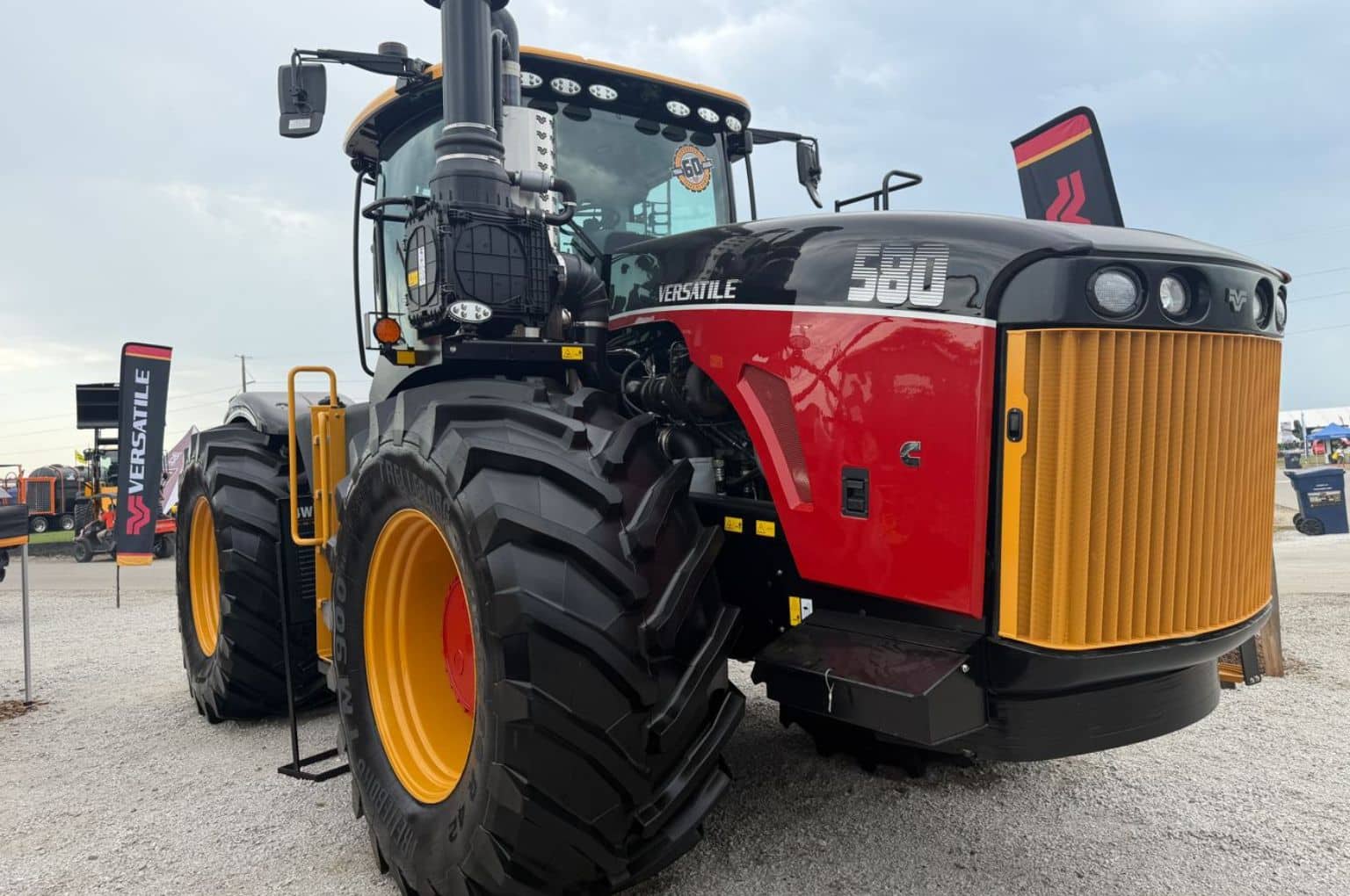
Here, the emphasis is firmly on practicality: machines on the ground, road shows, plenty of sunshine and relatively few conferences. There was no major presence from Asian brands, with the tractor sector represented mainly by the established global players: AGCO (without Valtra), CNH (without Steyr), John Deere, Claas and Kubota, alongside Canadian manufacturer Versatile, now under Turkish ownership.
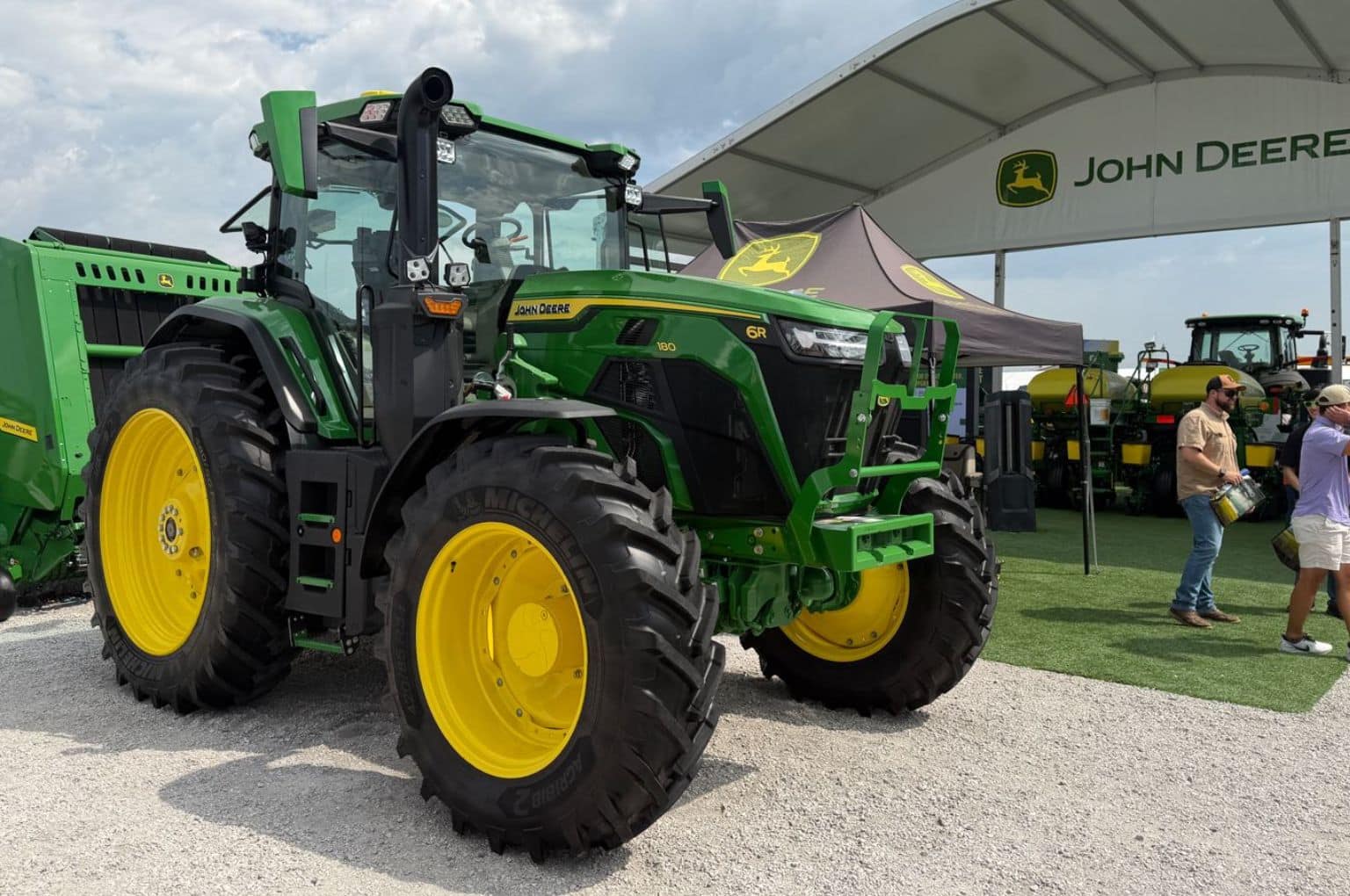
Walking through the show, the importance of Large Ag is immediately apparent. Extremely high-horsepower conventional, articulated and tracked tractors, large combines, planters, tillage equipment and self-propelled sprayers dominate an exhibition that provides a full-scale representation of the characteristics of American agriculture.
But the 2026 Farm Progress Show also confirmed that innovation is rapidly moving beyond simply increasing machine size.
Alongside the traditional exhibition and field demonstrations, the show featured a new Agronomy Zone, dedicated to the interaction between technology and crop management, as well as an expanded Drone Zone, where agricultural drones were demonstrated in real working conditions.
Precision farming, automation, digital management and connectivity are now common themes across the entire machinery offering. RTK systems, automatic implement control, prescription maps, variable-rate application and telemetry are no longer presented as optional extras, but as components of an integrated system designed to increase the productivity of the entire farming operation.
Sales are slowing, innovation is not
And this is perhaps the most interesting picture to emerge from our trip to the United States.
The agricultural machinery market is slowing, but the pace of technological development is not. If anything, pressure on margins appears to make solutions capable of reducing cost per hectare, increasing work capacity and making more efficient use of both people and machines even more important.
Fewer farms are managing larger areas, labor availability is declining, and every productive hour within the narrow planting, spraying and harvesting windows is becoming increasingly valuable.
When the investment cycle begins to pick up again, therefore, demand is unlikely simply to return to the machines of a few years ago.
The 600-plus-horsepower tractor, the planter spanning tens of metres or the latest-generation combine will remain the most spectacular symbols of the North American farming model. But behind their sheer size, it is above all the intelligence of the machines that is changing.
Productivity per operator, precision, automation and timeliness are becoming the real benchmarks by which the efficiency of agricultural mechanization in the United States and Canada will be measured.