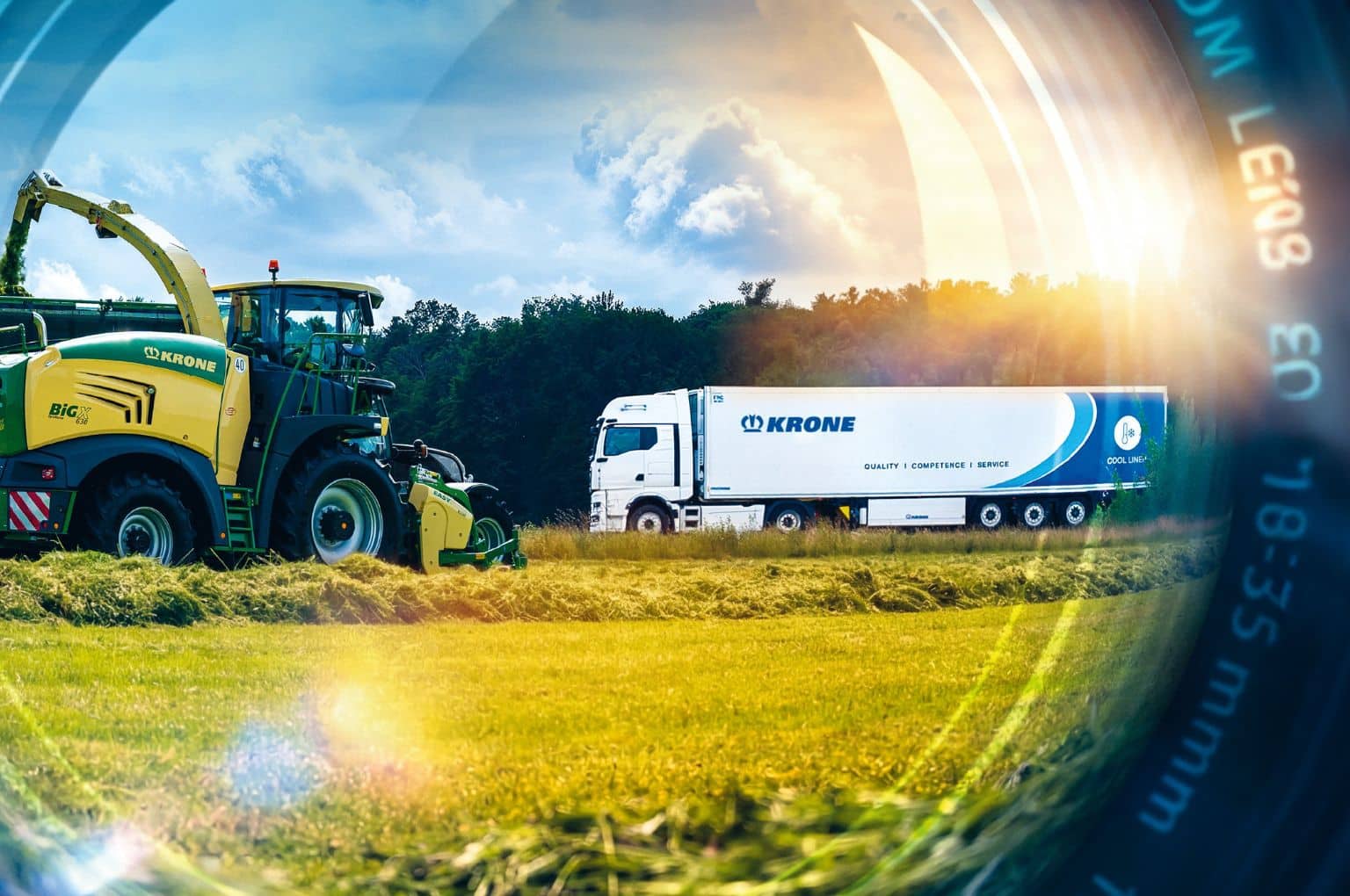
Turnover of the Krone Group in the past 2024/2025 financial year accounted approx. €2.3 billion, versus €2.4 billion in the previous year. The prolonged period of political challenges such as the war in Ukraine, but also various trade barriers, were the main causes of a clearly visible continued reluctance to buy in the agricultural machinery and commercial vehicle sectors.
“We have been familiar with the phenomenon of customer purchasing behavior being linked directly and in the short term to the overall economic situation for many years in the commercial vehicle sector. We are now increasingly observing this behavior in the agricultural machinery segment as well. Contractors and farmers around the world are currently reacting very sensitively to political and economic uncertainties and are holding back on new investments. In order to take these developments into account, we continued to invest specifically in optimizing production and expanding digitalization and automation at all our locations in the past financial year. This enables us to guarantee the highest product quality we are known for, now with maximum flexibility,” explains Bernard Krone, Chairman of the Supervisory Board of the Krone Group.
Important milestones include the installation of an additional production line at the Werlte vehicle plant specifically for the construction of eTrailers (with electrified drive axles), the start of in-house brake shoe production at Gigant in Dinklage, the launch of an AI-supported control center for component production of refrigerated semi-trailers in Lübtheen, and the construction of a new assembly hall at the GTS site in Ibbenbüren.
For the current financial year, Krone expects sales to remain at the previous year’s level, as factors such as wars and international customs policy continue to influence the global economy.
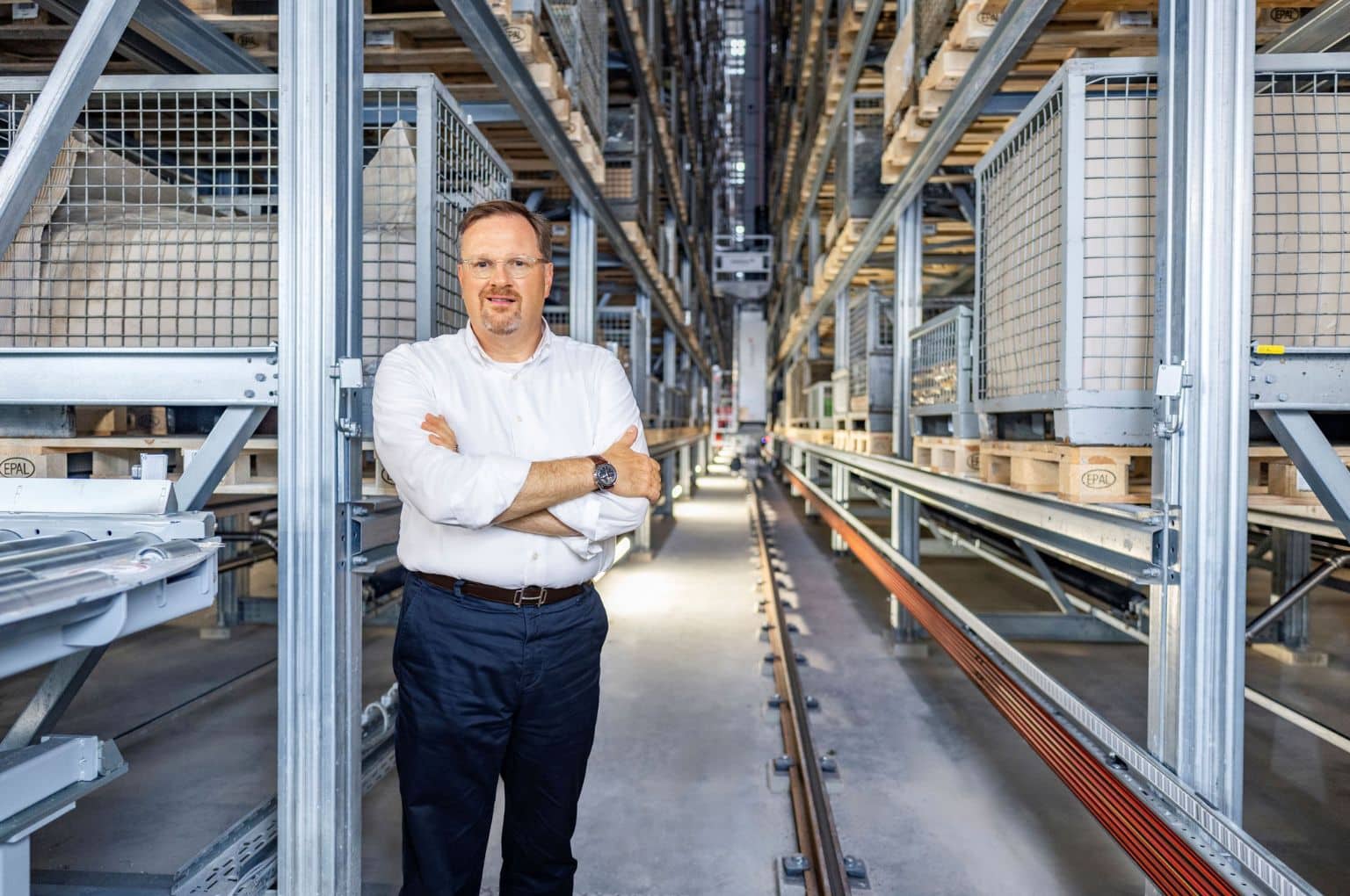
Bernard Krone
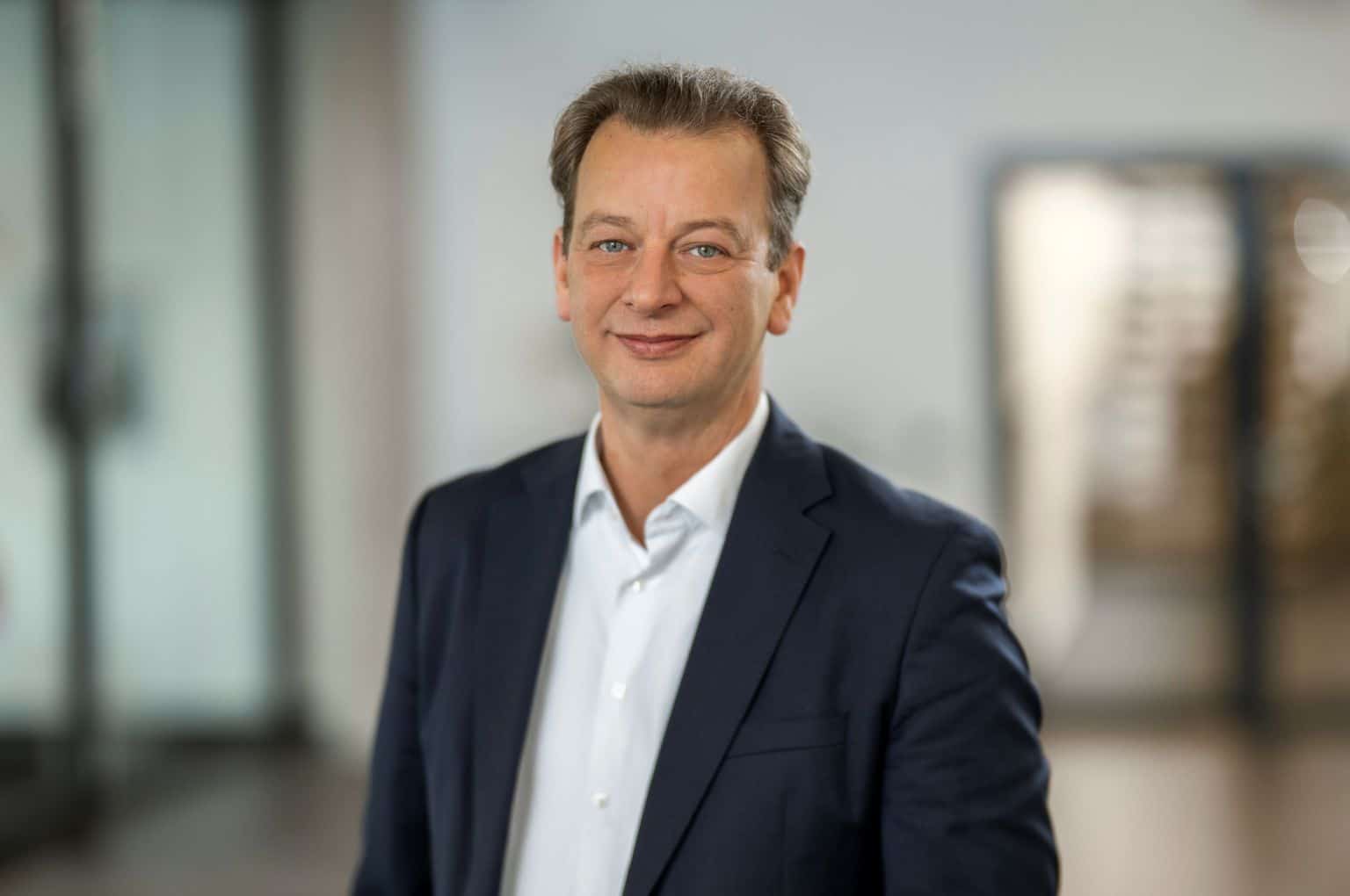
Dr David Frink
Dr David Frink, CEO of Bernard Krone Holding SE & Co. KG, emphasizes: “We have to accept that long-term economic trade agreements no longer provide the stability we are used to. This poses a major challenge for an internationally active industrial company such as Krone, as we have to carefully plan group-wide production, global distribution with retailers and our service activities.”
Frink expects the market to pick up in the medium term. “We are currently seeing a slight recovery in the German agricultural machinery market, and we will also be gradually repositioning ourselves in future markets such as Asia and India. We are also noticing an upturn in some European commercial vehicle markets, such as Belgium, Denmark and Estonia. Furthermore, the Krone brand is well accepted around the world. Our broad product range and our developments in agricultural technology and commercial vehicles are receiving very positive feedback. In this respect, we continue to remain fundamentally optimistic, because as the world’s population continues to grow, the demand for food and transport will increase accordingly.”