Robots help tackle climate change
The global agriculture sector faces the impacts of climate change and labor shortages. Robotics can help tackle these challenges by automating machines and supporting vertical farming. Substantial growth in this sector is underway, according to data and analytics company GlobalData. Against this backdrop, the robotics industry is set to grow at a compound annual growth […]
The global agriculture sector faces the impacts of climate change and labor shortages. Robotics can help tackle these challenges by automating machines and supporting vertical farming. Substantial growth in this sector is underway, according to data and analytics company GlobalData.
Against this backdrop, the robotics industry is set to grow at a compound annual growth rate (CAGR) of 17% from $63 billion in 2022 to $218 billion in 2030, forecasts GlobalData.
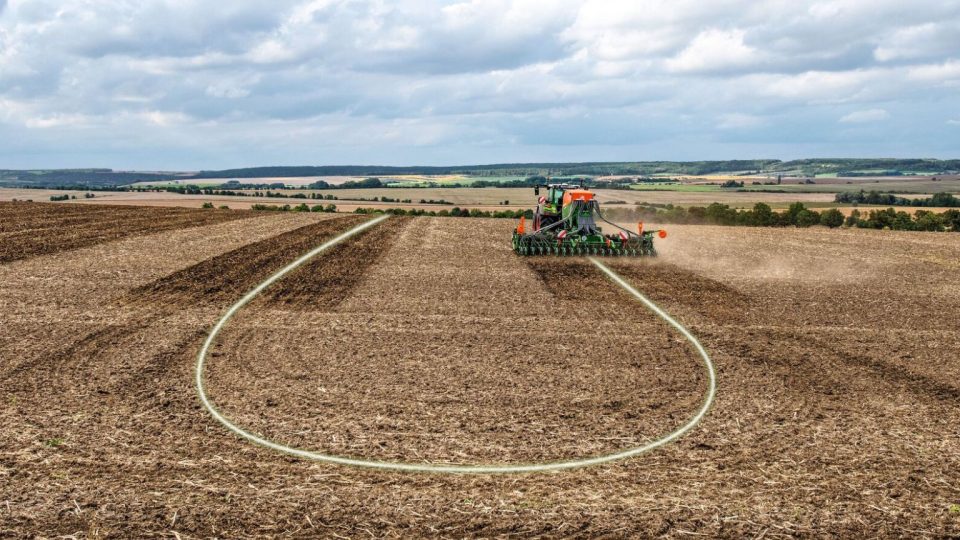
Their latest Thematic Intelligence report, “Robotics in Agriculture,” reveals how robotics is helping to achieve precision agriculture and support workers in a new agricultural revolution. Precision agriculture involves using agrochemicals in a prescriptive manner to minimize waste and pollution. It is particularly important given the simultaneous issues of increased demand for food and rising labor and agricultural input prices.
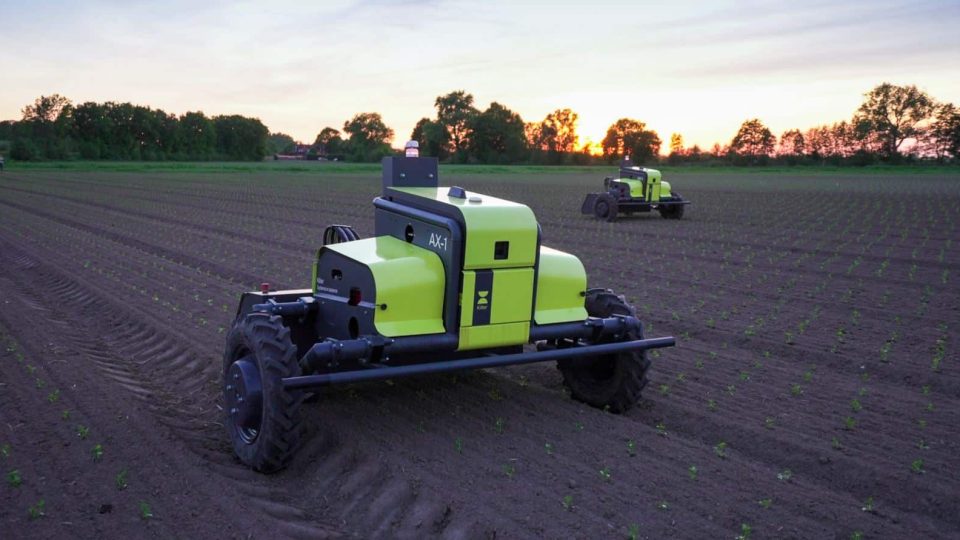
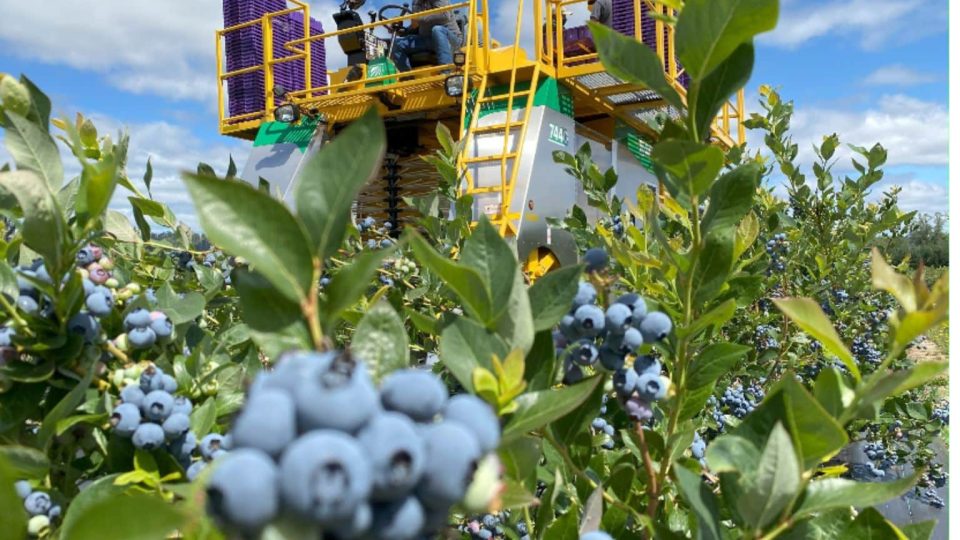
Holly Anness-Bradshaw, associate thematic intelligence analyst at GlobalData, comments: “Robots can carry out the strenuous and monotonous tasks that lead to injuries and fatigue. The agriculture industry is investing and innovating in many parts of the robotics industry, including drones, field robots, and robotics intelligence. Robots can be found on vineyards, with Burro’s robots helping workers carry up to 500 pounds of crops around fields and back to sorting houses.”
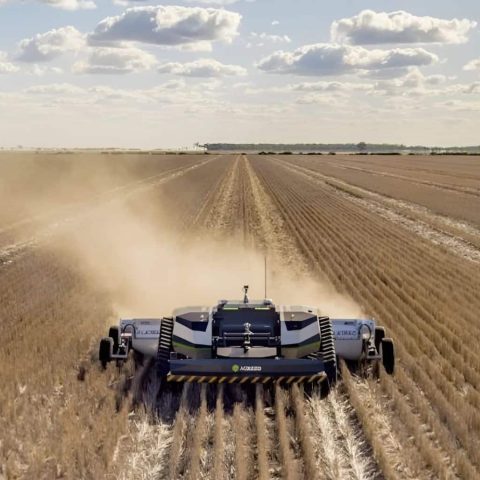
The future of agriculture will be underpinned by robots that augment the industry’s workforce. Robots will assist workers in the agriculture sector, not replace them.
Anness-Bradshaw continues: “Traditional agricultural companies like John Deere and Cargill, as well as agricultural startups, are all hiring and innovating in robotics. The agricultural sector is becoming increasingly aware of the potential and need for robotics to support labor and increase agricultural productivity. Traditional companies are forming partnerships with startups, like that between John Deere and Blue River Technologies, which led to the launch of the See & Spray. The See & Spray is a robot that uses sensors and AI to target weeds and spray pesticides precisely. Robots will support human workers by automating repetitive and strenuous tasks, such as tilling, but will also learn crop health and growing patterns.”
Robots are learning the growing patterns of specific produce. With the integration of artificial intelligence (AI) with agricultural robots, this data is used to improve farm management strategies.
Anness-Bradshaw concludes: “Companies like Dogtooth are aiming to fully automate the lifecycle of strawberries to alleviate the pressure of labor shortages that lead to excess food waste so crops do not go unpicked. Dogtooth is a strawberry-picking robot arm, which is integrated with sensors, cameras, and AI. The robot can navigate rows of strawberries, determine whether they are ripe, delicately pick the berries, and then package them into punnets.”