CLAAS, MAN Engines and WTZ Roßlau are developing an ammonia-powered engine for agricultural machinery
The project in question is called GAMCO – Green Ammonia Multifuel Combine. It aims to redefine the rules of sustainability in agricultural machinery
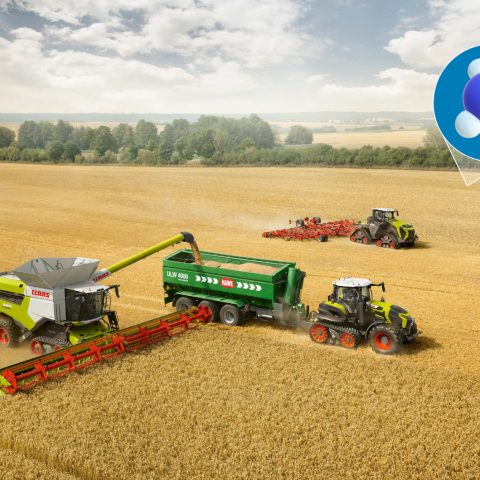
As part of a technology-neutral propulsion strategy, CLAAS, MAN Engines, and WTZ Roßlau are currently developing an ammonia-powered drive system for use in agricultural machinery. Designed as a research project, GAMCO – Green Ammonia Multifuel Combine – aims to investigate the suitability of an ammonia-powered drive system as a sustainable alternative to fossil fuels and other sustainable fuels, such as hydrogen, in internal combustion engines.
In practical application, agricultural machinery requires a very high level of power that must be reliably available over extended periods. The GAMCO research project is examining how these requirements can be fulfilled using a sustainable ammonia-powered internal combustion engine. The assessment spans the entire well-to-wheel pathway, including the production and supply chain of the fuels used.
Pooled development expertise for technology-neutral decarbonisation
Led by WTZ Roßlau, the collaborative project is funded under the 8th Energy Research Programme via the project management organization Forschungszentrum Jülich. The project runs from May 1, 2026, to October 31, 2029, with a total budget of 3.2 million euros.
The engine used in the project utilizes ammonia as its primary energy carrier. Because ammonia contains no carbon, it produces no direct CO₂ emissions during combustion. Furthermore, ammonia can be produced from renewable energy sources worldwide in locations with particularly low energy costs. Thanks to its high energy density and ease of storage compared to hydrogen, it serves as a well-suited transport medium for green energy.
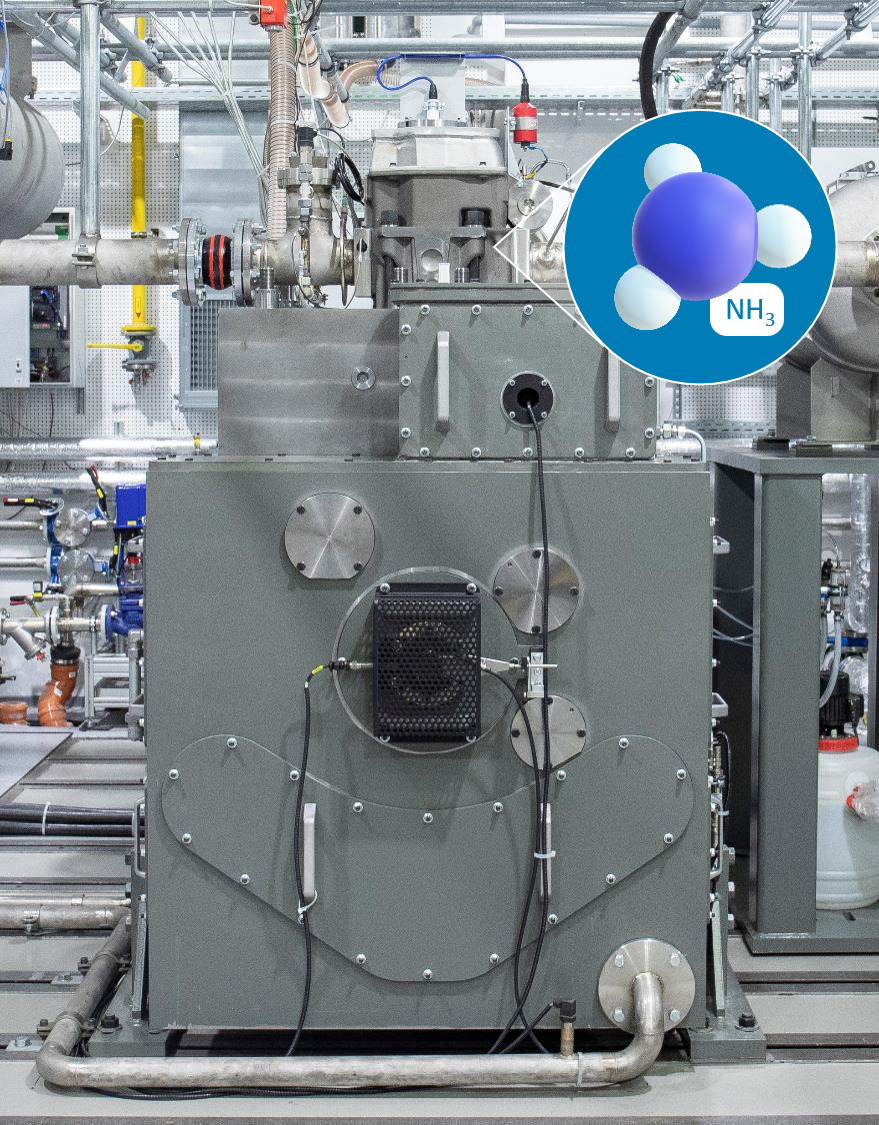
Nevertheless, this energy source poses significant challenges regarding combustion, exhaust gas after-treatment, storage, and safe handling, all of which will be investigated under real-world conditions during the project. MAN Engines and WTZ Roßlau are responsible for developing the engine system, while CLAAS is working in Harsewinkel to integrate the technology into an agricultural machine. In this way, engine development and agricultural application are directly brought together.
Ultimately, the project aims to demonstrate the potential of sustainable fuels for high-performance agricultural machinery and prove that internal combustion engines can actively contribute to the decarbonisation of agriculture.
The comment
CLAAS sees ammonia-powered engines as a potential sustainable energy source for agricultural machinery in the future. “High-performance machines, particularly harvesting machinery and large tractors operating at full load, will continue to rely on energy-dense liquid fuels in the near future,” explains Martin von Hoyningen-Huene, Executive Vice President of the Tractor Business Unit.
“To reduce the CO2 footprint, alternative fuels such as HVO or, subject to appropriate approval, B100 biodiesel can be utilised using largely existing technology and infrastructure, whilst hydrogen poses greater technical challenges. We would like to explore and better understand the opportunities and limitations of ammonia-powered engines as a potential further part of the solution.”