John Deere is developing alternative drive technologies, being sustainable powertrain solutions across all agricultural segments. The company’s multi-path strategy in this field includes further advancement of internal combustion engines, integration of renewable fuels and the development of electrified powertrains.

Electrification is a major pillar of John Deere’s alternative drive portfolio. Battery requirements vary significantly by application, and John Deere is leveraging the expertise of Kreisel Electric to develop modular, high-performance battery systems. These are engineered for high energy density, extended runtime, and seamless integration into agricultural machinery. The flexible architecture of KREISEL batteries enables scalable solutions across different machine platforms. All batteries feature Dynamic Performance Management, which utilizes cell immersion cooling technology and advanced software systems. This technology is engineered to optimize daily performance, life performance, and performance at extreme temperatures all while meeting or exceeding industry safety standards.

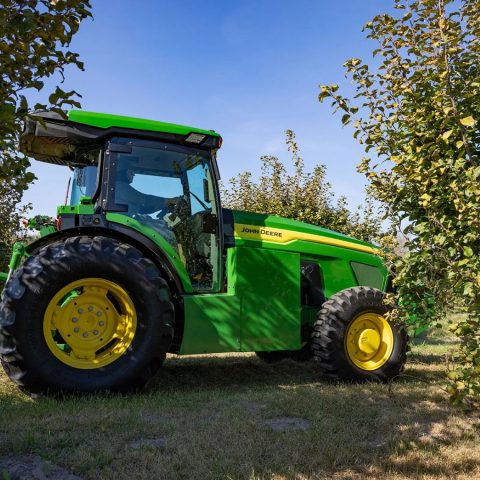
A key innovation is the E-Power tractor prototype. This tractor is designed for specialized applications such as orchards, vineyards, municipal services, and livestock operations. The fully battery electric machine features a completely new, uniform base design with configurable options for battery capacity, cab type, axle configuration, and tyres. The E-Power prototype tractor delivers 130 continuous horsepower and is capable of performing the same tasks as a conventional diesel utility tractor. It operates with zero emissions and supports up to five Kreisel batteries, allowing users to tailor runtime and power output to their specific requirements. The tractor is compatible with existing implements and offers operational advantages including instant torque, reduced noise, lower maintenance demands, and a simplified driving experience. Integration with the John Deere Operations Center enables remote diagnostics, runtime monitoring, charging management, and data-driven insights.


Also relevant in John Deere’s alternative drive strategy is the use of biofuels such as ethanol, biodiesel, and renewable diesel, offering a significant reduction in CO₂ emissions on a well-to-wheel basis. John Deere is actively researching and implementing advanced combustion technologies to ensure compatibility and performance with these fuels. Biodiesel remains a key component of this strategy. John Deere Stage V engines, compliant with EU regulations, support biodiesel blends up to 8% (B8).

Final Tier 4/Stage IV and Interim Tier 4/Stage III B engines are approved for blends up to 30% (B30), while Tier 3/Stage III A and lower tier engines can operate on 100% biodiesel (B100). All biodiesel used must conform to ASTM D6751 or EN 14214 standards to ensure fuel quality and engine reliability.

Renewable diesel, including hydrotreated vegetable oil (HVO), is another viable option. As a paraffinic diesel fuel, it can be used either as a blend or at full concentration (RD100) without requiring engine modifications. John Deere engines are compatible with renewable diesel fuels that meet ASTM D975, EN 590, or EN 15940 specifications. This fuel type offers high energy content and low carbon intensity, making it particularly relevant for European markets focused on decarbonization.


Highlights

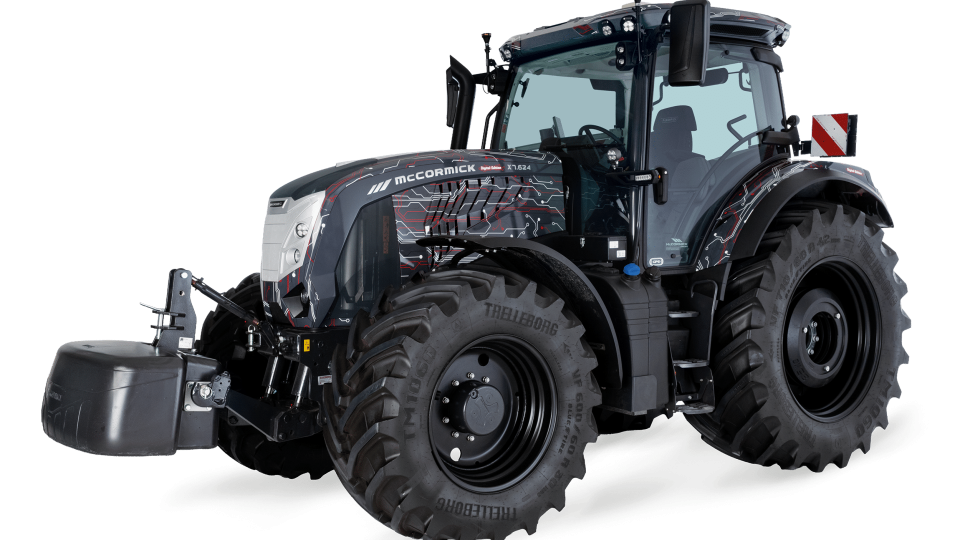
McCormick unveils new X8, X7 and X6 tractors for EIMA 2026

McCormick is set to introduce major updates across its tractor range at EIMA 2026, led by the new 340 hp X8.634 VT-Drive and the 271 hp X7.627 VT-Drive. The line-up will also include the X7.624 Digital Edition and two new X6 models, highlighting advances in powertrain technology, operator comfort, p...

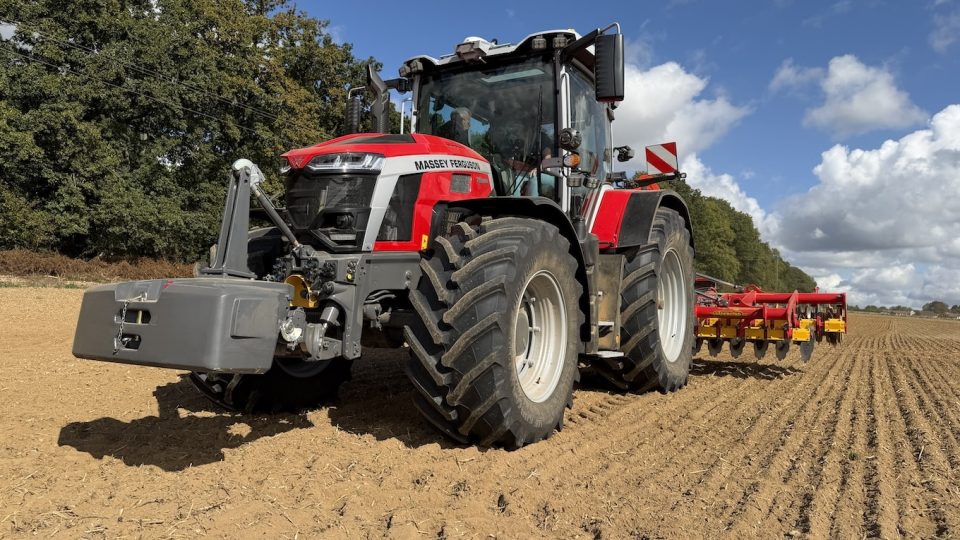
MF 7S MARK 2, the future of Massey Ferguson tractors

Massey Ferguson unveils its new mid-to-high horsepower tractor range. Among the contenders for Tractor of the Year 2027, the new line-up comprises six models and introduces a host of significant updates. With EIMA International just around the corner, major announcements from the tractor industry ar...

Related articles

Real-time optimizing berry harvest

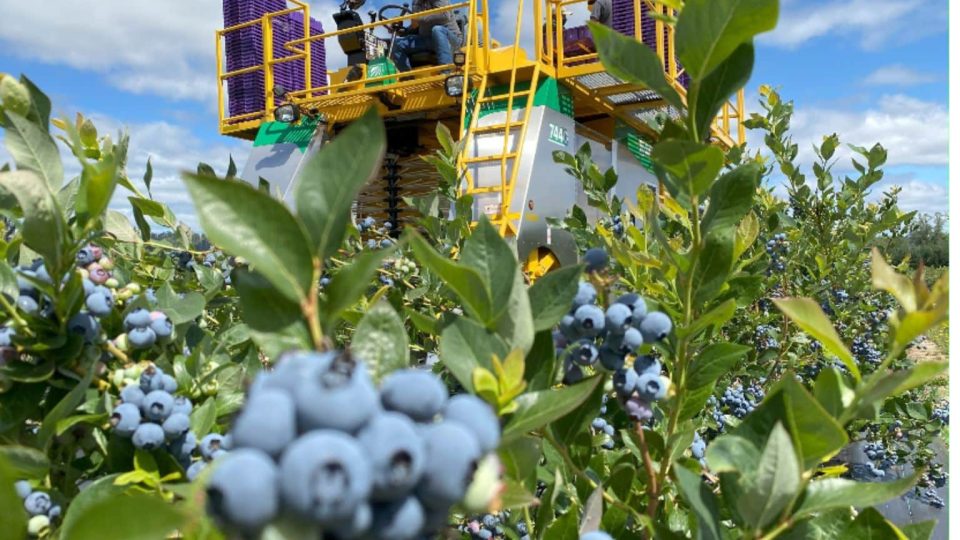
Oxbo is unveiling AutoHarvest, an integrated machine-learning technology bringing real-time harvest optimization to berry growers. Designed for Oxbo berry harvesters, AutoHarvest continuously analyzes harvesting conditions and automatically adjusts machine functions, helping achieve consistent resul...

Fendt tractors operate autonomously

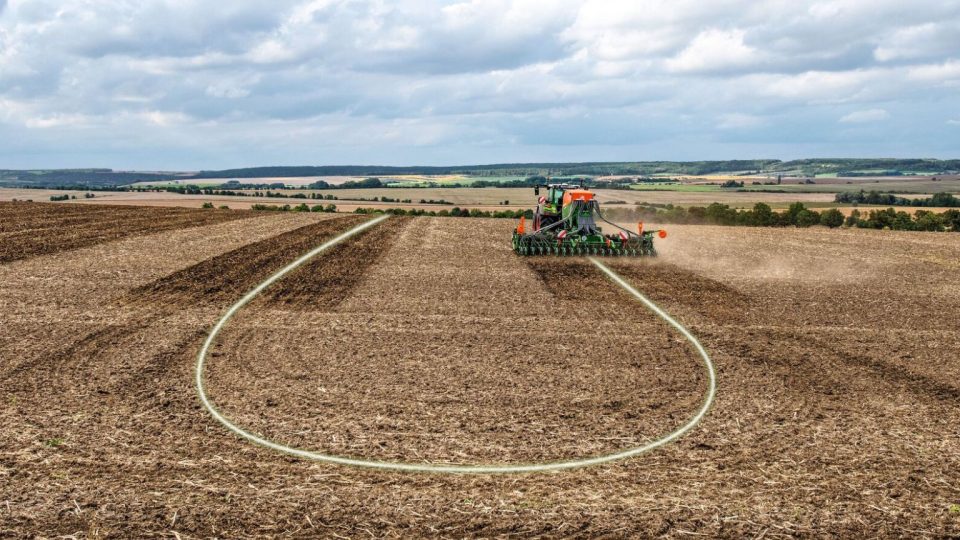
Guidance systems and numerous assistance systems have become established in agriculture. By combining various assistance functions, Fendt tractors achieve Level 3 autonomy today. With the “OutRun Grain Cart” and “OutRun Tillage” retrofit kits, Fendt tractors can be used autonomously for grain harves...