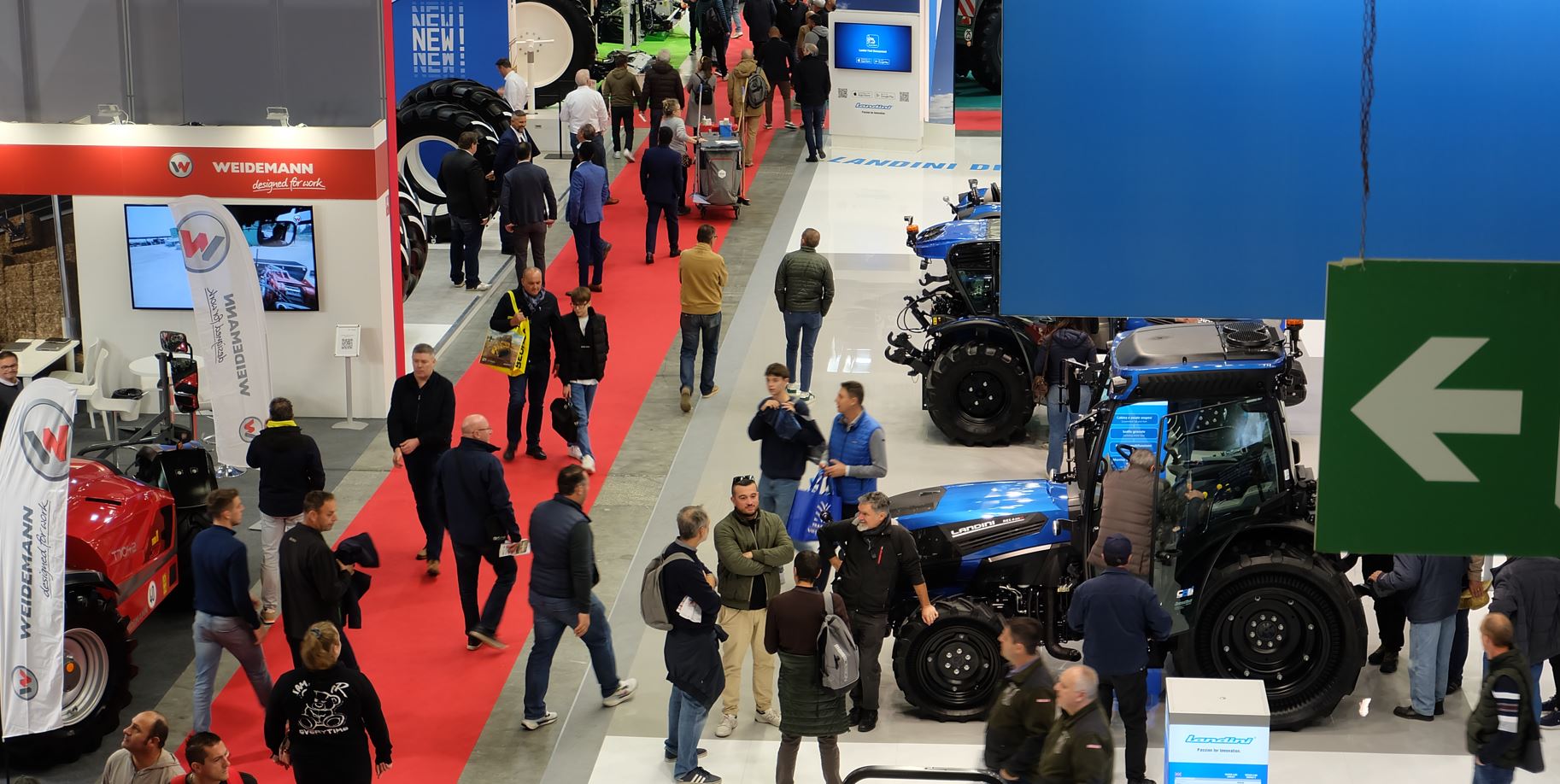
Can tire pressure make a visible difference in the field, and even have a measurable impact on fuel consumption? At a recent Alliance Field Day in Sicily, Italy, that question was answered not with theory, but with tractors at work.
A series of live, side-by-side demonstrations showed how tire pressure and construction affect traction, slippage, soil behavior and overall operational efficiency. Similar demonstration formats in other European markets have already highlighted how strongly tire setup can influence efficiency. At a recently held Alliance Field Day in the UK, controlled comparisons showed fuel consumption differences of up to 20% depending on tire pressure and configuration. Building on this approach, the Sicily event focused on making these effects visible under local field conditions. The day was designed to make one thing clear: what happens in the soil when tire setup changes.
From pressure to performance
One of the central demonstrations featured the Agriflex+ 372, a VF (Very High Flexion) tire engineered to operate at lower inflation pressures through flexible sidewalls and an enlarged footprint. Used in a traction-focused demonstration at low pressure, the setup allowed participants to observe how changes in footprint influenced wheel slip, traction and soil interaction under load.
As slip was reduced and traction improved, more of the tractor’s power was effectively transferred to the ground instead of being lost through wheel spin, an effect that can have a direct impact on fuel consumption and overall efficiency in practical operation.
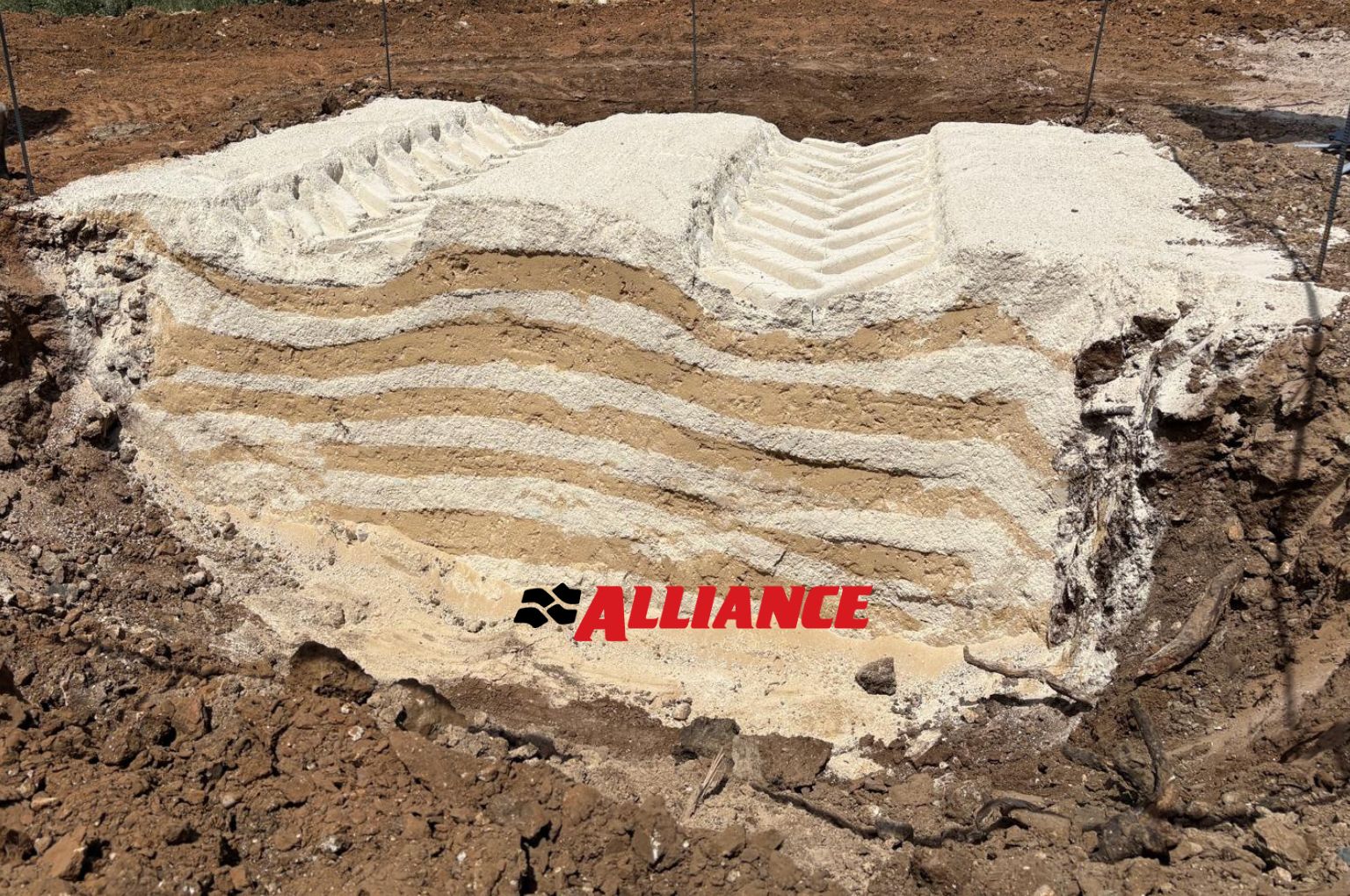
A separate compaction demonstration also visualized how different inflation pressures influence the way load is transferred into the soil. By reducing soil compaction, the correct tire setup helps preserve soil health by supporting water retention, root development and long-term field productivity.
Designed as a next-generation R-1 bias tire for light-to-medium duty tractors, the recently launched
Agri Nova features a high-density lug pattern with a distinctive 3-angle design to enhance traction while maintaining driving comfort. A wider footprint helps distribute load more evenly, supporting reduced soil compaction, while integrated mud breakers contribute to effective self-cleaning in the field. The tire is developed to offer a balanced performance in both field operations and road transport.