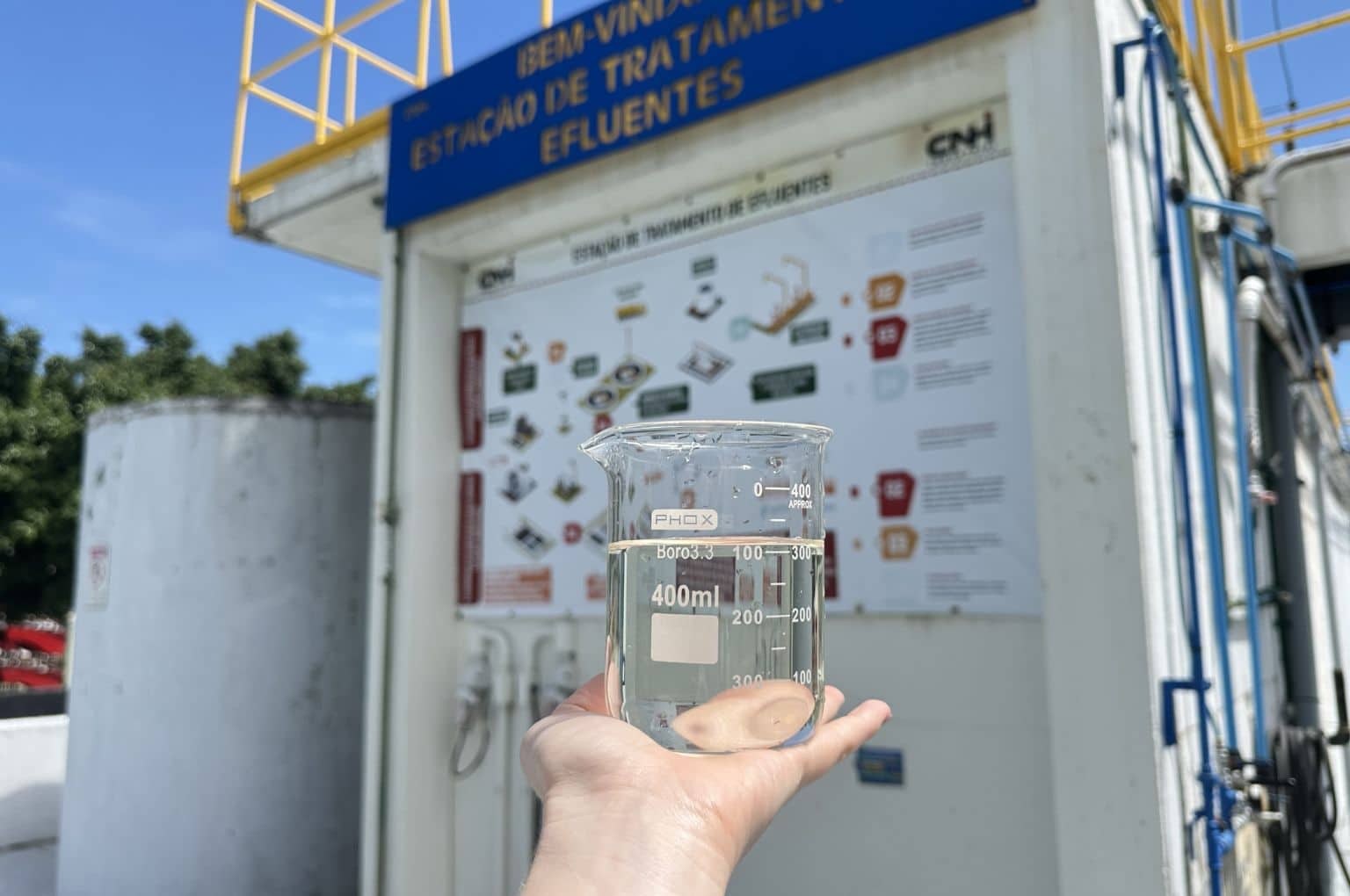
Water conservation and reuse initiatives at CNH plants in Latin America, resulted in savings of 206,400 m³ of water used in industrial processes between 2018 and 2025. This is the equivalent of daily water use of approximately 822,000 people, based on an average of 250 liters per person.
“In practice, this figure means less water withdrawal from rivers and aquifers, less pressure on public water supply systems, and greater resilience during periods of water scarcity. In a scenario where water is becoming increasingly strategic for communities and for industry itself, reuse is a fundamental decision,” emphasized Fabio Belasco, CNH’s EHS Manager in Latin America.
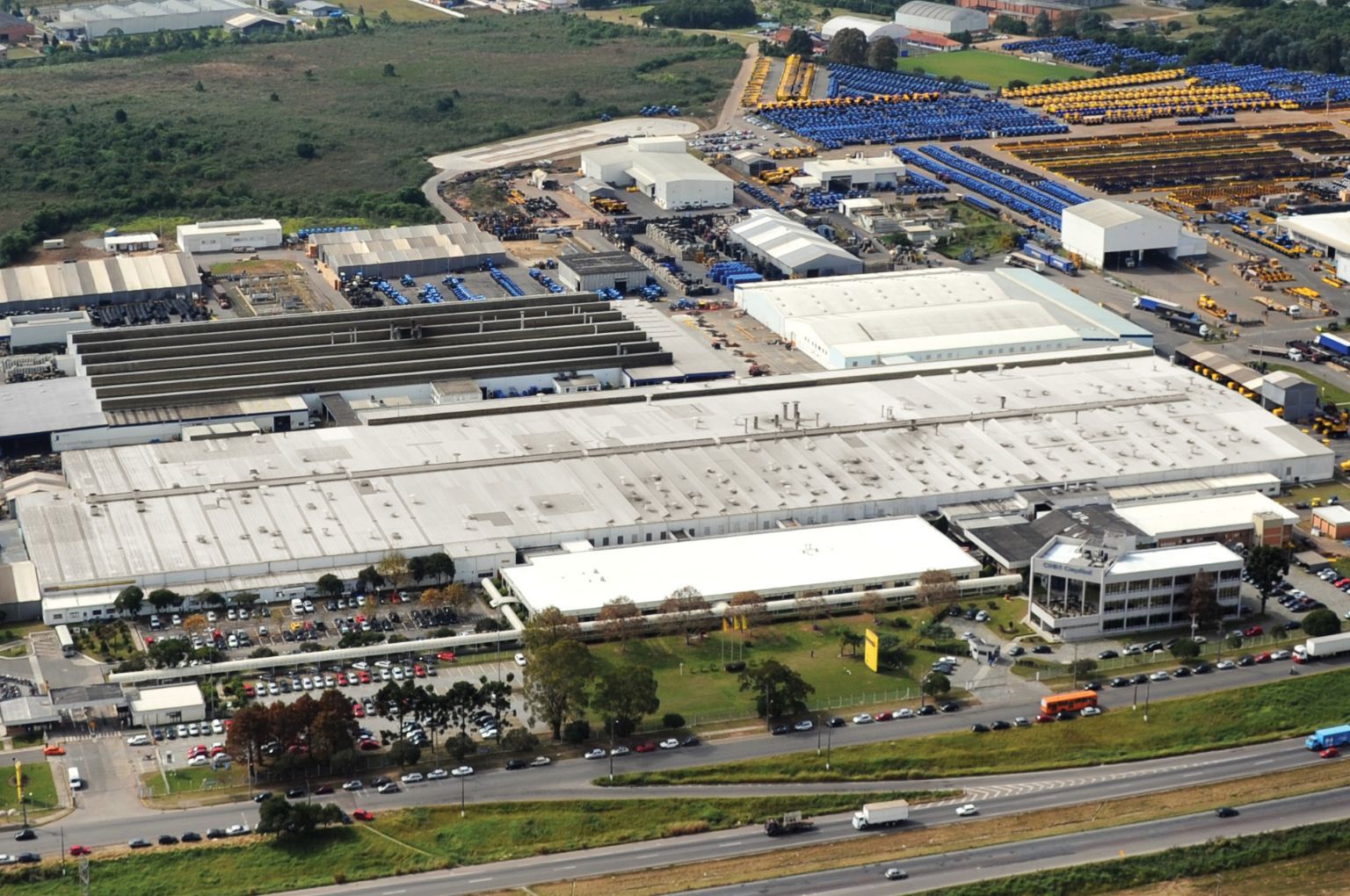
Among the projects implemented to ensure a more efficient use of water is the installation of a reverse osmosis system at the Curitiba plant in Brazil, a system that has enabled the supply of reclaimed water to industrial compressors. The system has reduced the consumption of 800 m³ of potable water in just four months. It also enabled the system to achieve 70% reuse of water and reducing the plant’s potable water consumption by 10%.
At the Contagem Unit, 40 telemetry points were installed at the factory and the Logistics Center, enabling real-time monitoring of water use and immediate action in cases of irregular usage. The measure already represents an estimated reduction of 1,000 m³ per month in water consumption, in addition to financial gains resulting from increased operational efficiency. The plant also implemented a system for using treated water in activities such as floor cleaning and supplying the flotation tank. The initiative reduces dependence on potable water and increases the reuse rate in industrial processes.
Simple yet high-impact solutions
The installation of water-reuse faucets in operational areas and at the Wastewater Treatment Plant eliminated the use of potable water for non-essential activities, reducing consumption by up to 25 m³ per month in certain operations. At the Piracicaba facility, replacing conventional urinals with waterless models reduced potable water consumption by 7%. Meanwhile, expanding the water reuse system to all restrooms in the plant resulted in an additional 30% reduction in consumption.
Employee engagement, through the creation of a Water Committee, also strengthened governance on the issue. Regular meetings with representatives from production areas identified opportunities for improvement and resolved critical issues, such as leaks, toilet flushing failures, and waste in washing areas.
“These initiatives demonstrate that the combination of technology, management, and behavioral change can generate tangible environmental impact. By reducing the withdrawal of drinking water, expanding reuse, and increasing the efficiency of treatment systems, the company contributes to the preservation of water resources, reduces pressure on water sources, and reinforces its commitment to sustainability and the communities where it operates,” Belasco concludes.