The impact of Artificial Intelligence (AI) is dominating conversations around the globe, and the agriculture sector is no different, with the main questions around what it means for the industry and how it can be used to the greatest effect. Australian farmer Treen Swift sees the benefits, such as in grain harvesting.
Treen is a 2024 Nuffield Scholar, who is part of a 4200 ha farming business near Parkes in the NSW Central West in Australia. The business runs a cropping operation, farming as many as 13 different cereal, oilseed, pulse and fibre crops.
As a Nuffield Scholar, supported by GrainCorp, Treen’s focus is on the advantages AI could introduce to grain-growing operations into the future. With farm and landscape- level sustainability data of increasing interest across the supply chain, Treen can see enormous potential in using AI to analyse this data to improve management of natural capital, inputs and operations and provide time-saving benefits to growers.
“The technology has progressed so much in recent years so just the amount of data we can now process is enormous. So, where do those opportunities lie for agriculture? I could also see other fields and industries talking about it and I thought, ‘why aren’t we talking about that in our industry?” Treen said.
“Why aren’t we talking about how AI is going to benefit our businesses, whether it’s as simple as using number plate recognition when we’re managing trucks coming in for deliveries, or the machinery space and what brands like Case IH are doing, I wanted to learn more.”
She had her chance at the United Nations’ Committee on World Food Security (CFS) event in Italy late last year where she met Luca Ferrari, the Global Manager of Robotics for Case IH’s parent company CNH. Luca invited her to visit CNH’s labs in Modena, where much of the company’s technology is developed.
“It was a fascinating experience,” she said, and opened her eyes to the progress being made in machinery and the potential for AI to assist farmers in managing the increasingly complex regulatory space, particularly with regards to emissions and environmental impacts.
“Looking more at practices that are less reliant on chemical use is one area where there is a lot of interest in Europe at present, and I can certainly see a role for AI in this space. Emissions reduction is another area of global focus and with so much data around it, the average farmer will need help in processing this.”
“I don’t have the means to put on extra people to crunch those numbers, so I’ll need a tool to help do this quickly and efficiently, in order to ensure my business remains profitable, sustainable and viable in the future,” she said.
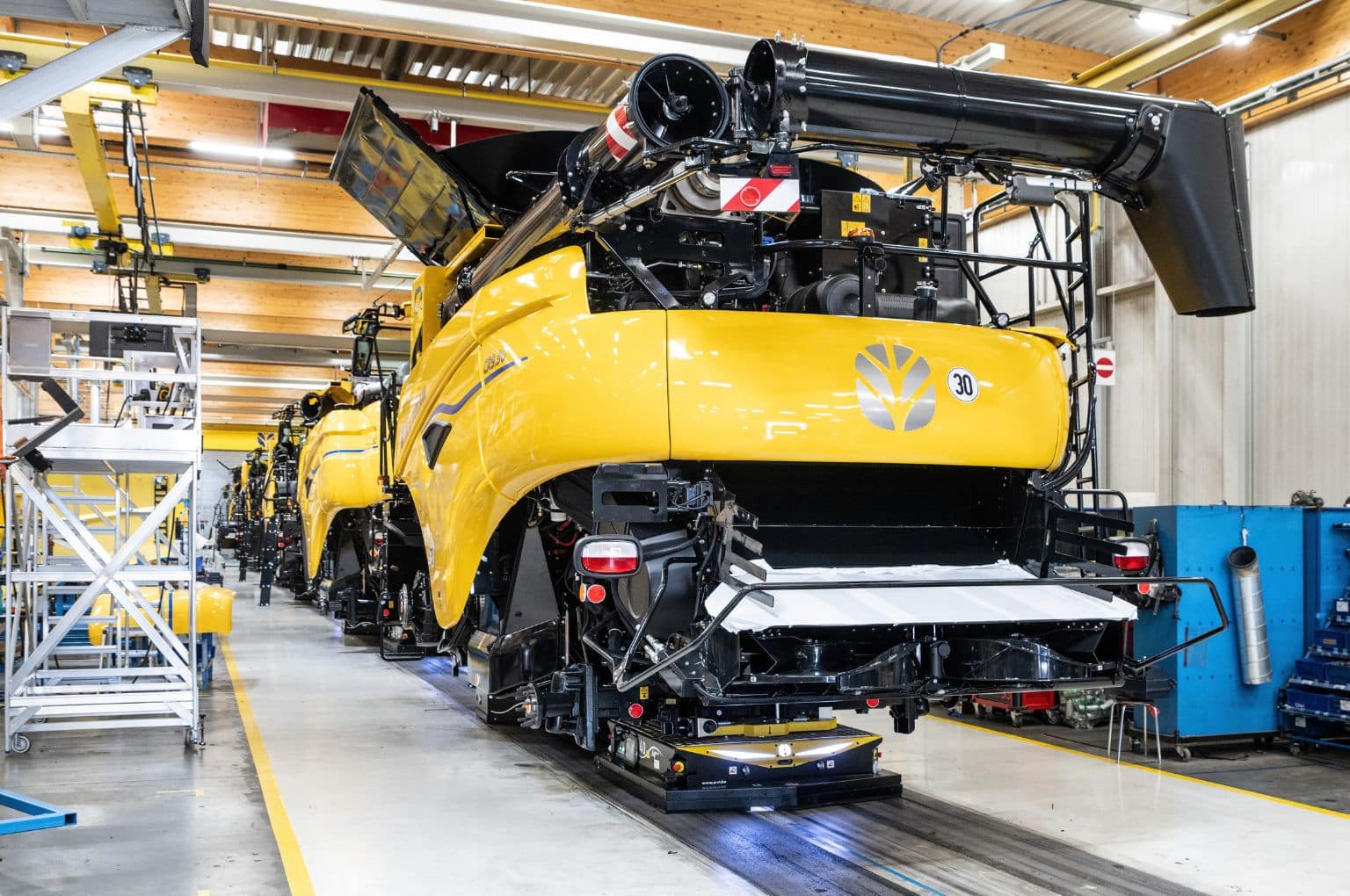
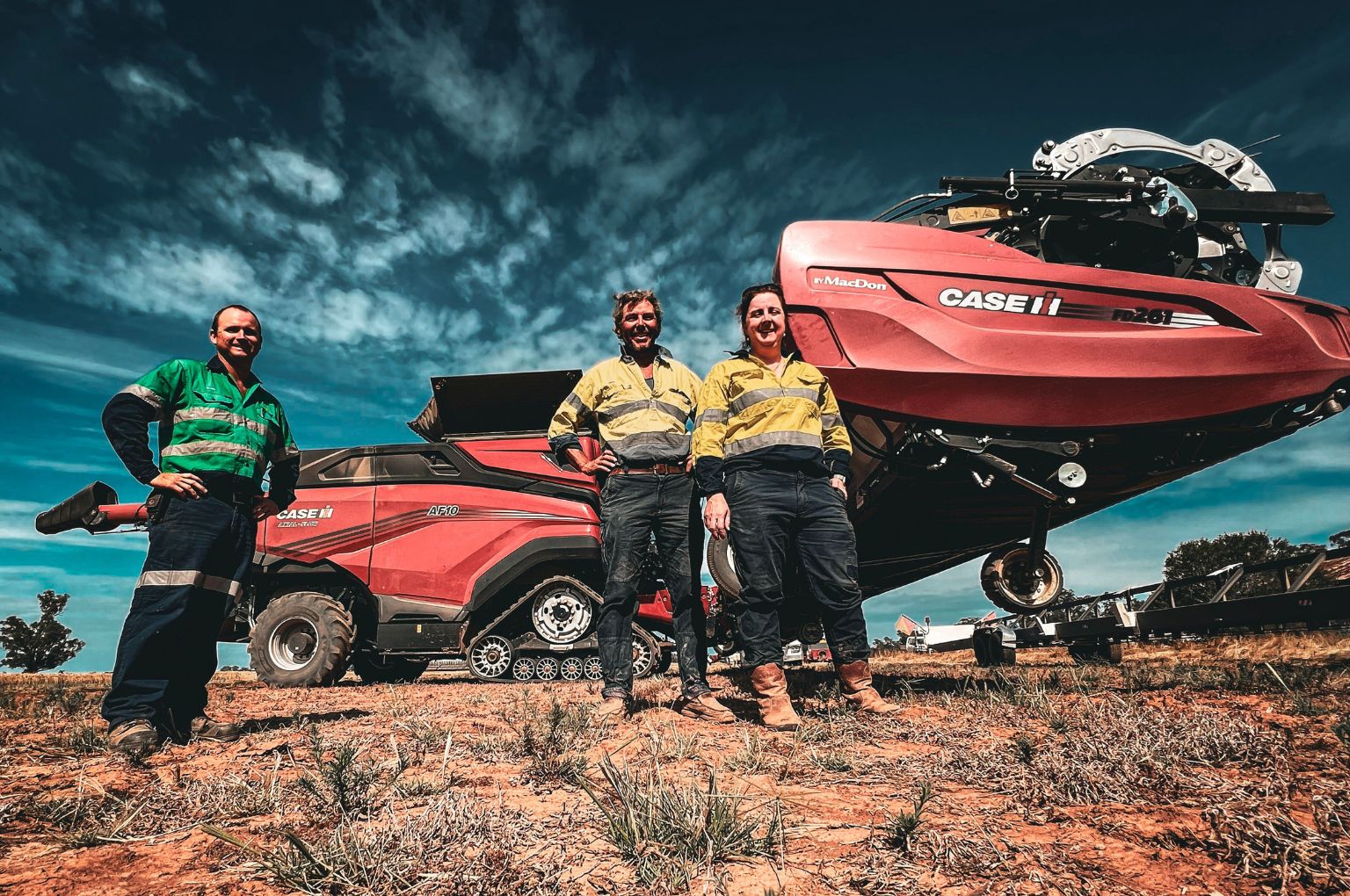
Treen’s visit to the CNH labs in Italy also gave her a new appreciation for new sophisticated machinery like Case IH AF Series combines. These have only just been launched in Australia, with limited numbers of AF9 and AF10 combines available to order for the 2025 harvest. Rain was forecast and the race was on putting the new AF Series to the test in high pressure conditions.
“The new headers were there at that time and we got the opportunity to trial them. They were pushed hard”, Treen said.
“We moved about 1500-plus tonnes of grain out of the paddocks one of the days they were there. We can certainly see how much value one of them would bring to our business with their significant capacity.”
Treen acknowledges the wariness around AI and says there needs to be “guardrails around it” to protect the integrity of people’s data and where innovation heads, but is adamant the advantages AI presents for agriculture far outweigh any potential risks.
“By harnessing AI’s capabilities for applications within our industry, we have so much to gain with increased productivity, and better-informed decision-making from an economic and environmental perspective. This will help reinforce our competitiveness on the global stage and drive greater sustainability to ensure we can be proud of what we’re leaving for future generations of farmers,” she said.