As global industry faces intensifying pressure, from climate change to declining labor availability, Yanmar is accelerating innovation across its businesses to build a more sustainable and resilient future. The company is developing technologies and systems that address societal challenges while serving agriculture worldwide.
Agriculture is at a turning point. The FAO reports that the share of the global workforce employed in agriculture has fallen from 40% in 2000 to 26% in 2022, even as global food demand continues to rise.
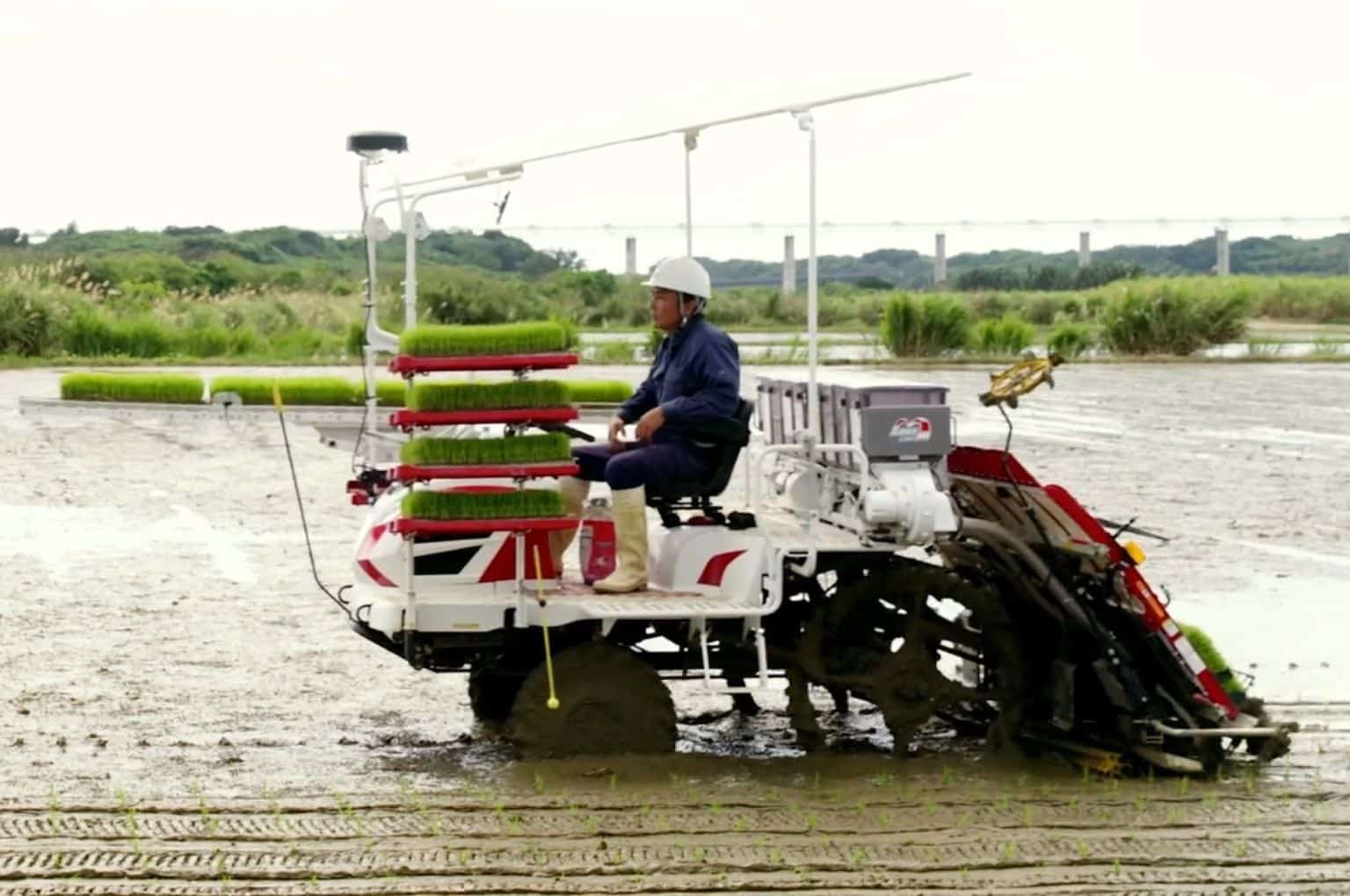
At the same time, five out of every six farms worldwide operate on less than two hectares yet produce over a third of the world’s food.
These pressures highlight the need for solutions that increase productivity, support small-scale farmers, and reduce environmental impacts.
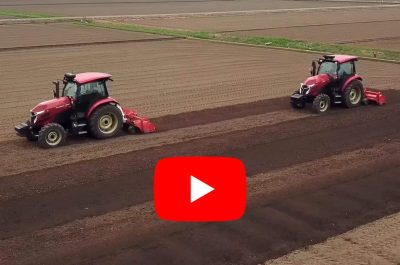
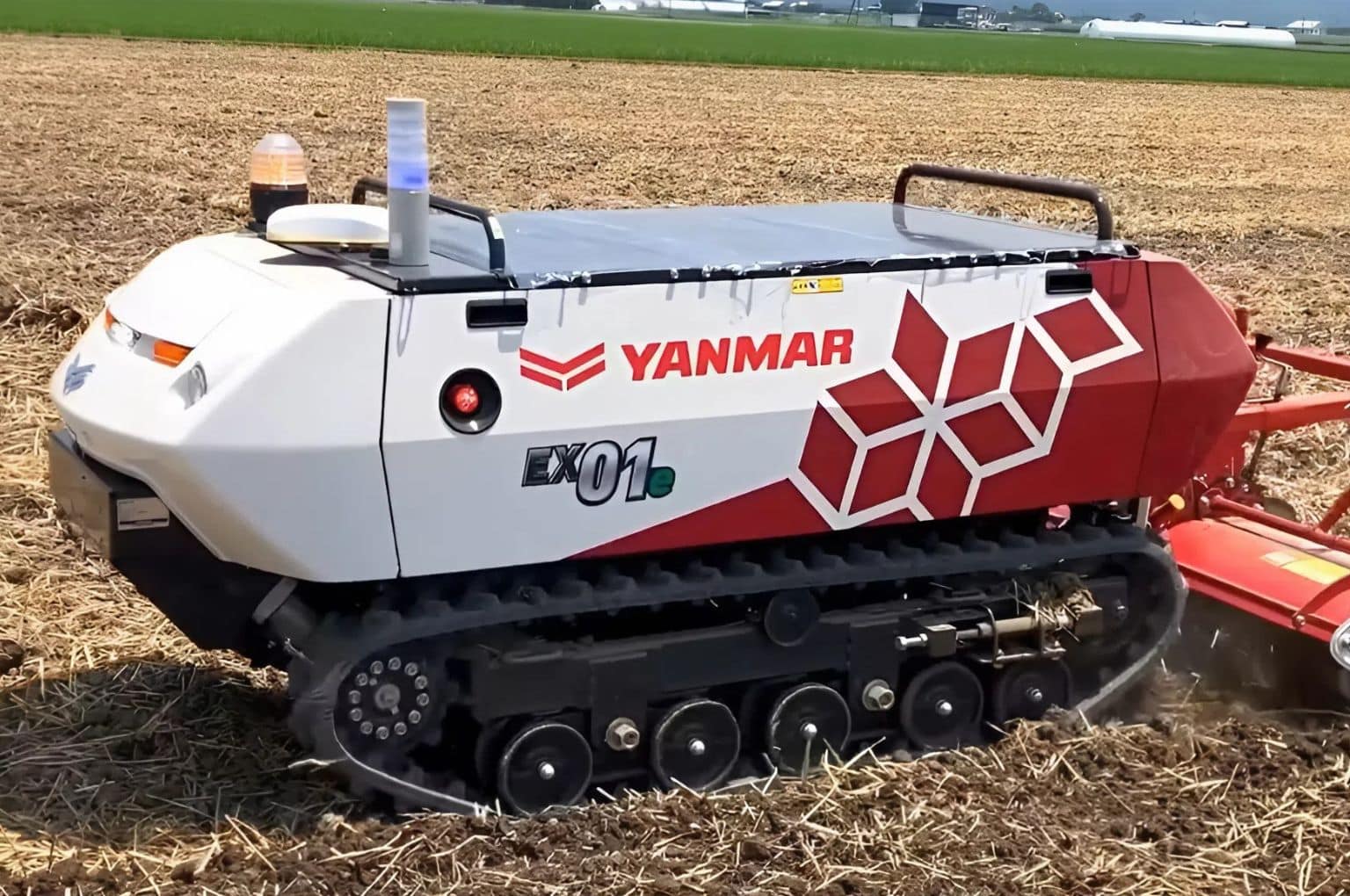
Yanmar Agriculture is addressing this through advanced mechanization, robotics, and intelligent systems. The YV01 autonomous vineyard robot enables precise operations on steep and uneven terrain, reducing physical strain and improving consistency. The e-X1, a fully electric, autonomous agricultural machine, reflects Yanmar’s commitment to low-emission, high-efficiency farming.
Agribusiness R&D Head Shigemi Hidaka states: “Yanmar’s mechanization technology will increase productivity and yields, but this will be pointless unless we also realize sustainable agriculture. We need to think from both sides and realize both increased production and a sustainable environment.”
Agribusiness President Kemal Shoshi adds that the sector’s challenges extend far beyond productivity: “The problem with agriculture now is not only production volume, but climate change, drought. We are facing a many challenges that we need to support through our mechanization technology.”
Integrated solutions for rural revitalization
Yanmar’s innovation extends beyond equipment. The “Save the Farms by Yanmar” initiative applies agrivoltaics, installing solar panels above working farmland to regenerate idle land, produce renewable energy, and improve farmers’ income.
Project leader Kenichi Tanaka explains, “Save the Farms by Yanmar connects agriculture to the future. We are planning to install solar power generation equipment and return the profits to farmers. Our hope is that farming will become a career the next generation will aspire to.”
In Europe and the United States, similar agrivoltaic approaches are increasingly positioned as climate change adaptation measures, supporting energy transition, land resilience, and long-term sustainability alongside economic benefits. By uniting expertise across agriculture, energy systems, and engineering, Yanmar is creating models that strengthen food security and enable efficient energy utilization while supporting regional economies.
Yanmar green challenge 2050
Yanmar aims to achieve zero greenhouse gas emissions across its operations, customers, suppliers, and all areas of business activity by 2050. This commitment drives innovation in clean energy, electrified equipment, circular resource systems, and regenerative environmental initiatives.
Shoshi emphasizes the company’s guiding philosophy:
“A Sustainable Future – New Value Through Technology,’ a statement which reflects the philosophy of Yanmar’s founder Magokichi Yamaoka, guides employees’ actions. We deliver this every day so every part of society can benefit from our technology and environmentally friendly solutions.”
From autonomous robotics to regenerative farming models and renewable-energy initiatives, Yanmar is redefining how technology can contribute to a healthier, more sustainable world. Guided by the Yanmar Green Challenge 2050, the company is advancing innovation that delivers meaningful value to society, the environment, and future generations.