






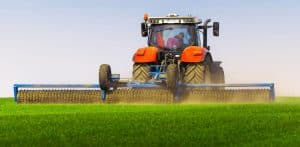
Geopolitical strain and rising costs dampen machinery demand. Here’s the report by CEMA
Dedicated to low-horsepower models, the new partnership with Indian manufacturer International Tractors Limited aims to expand the product portfolio of the AGCO Group brand.
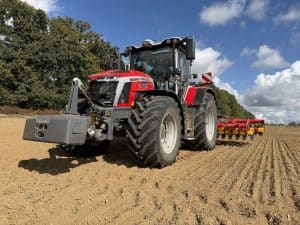
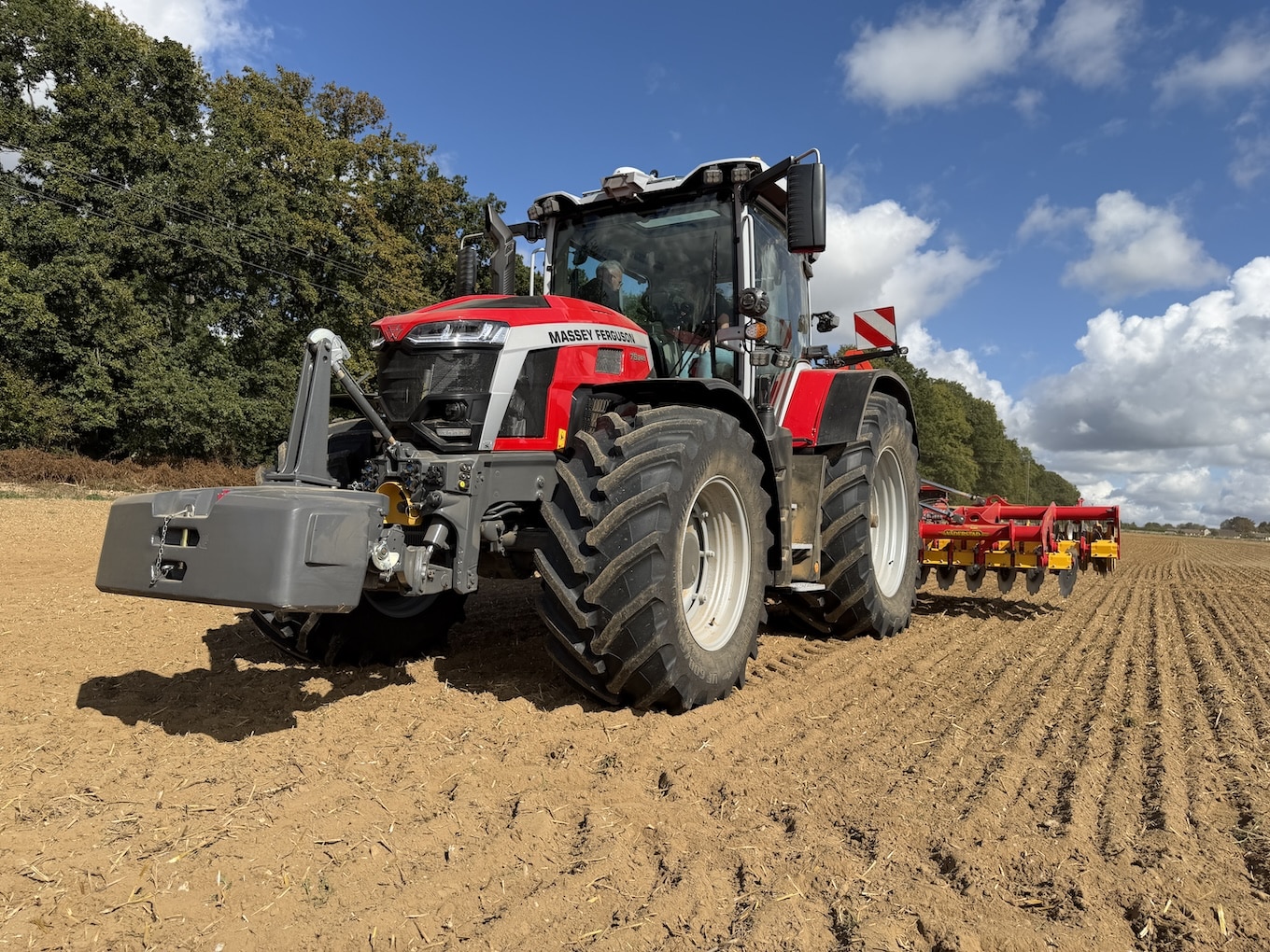
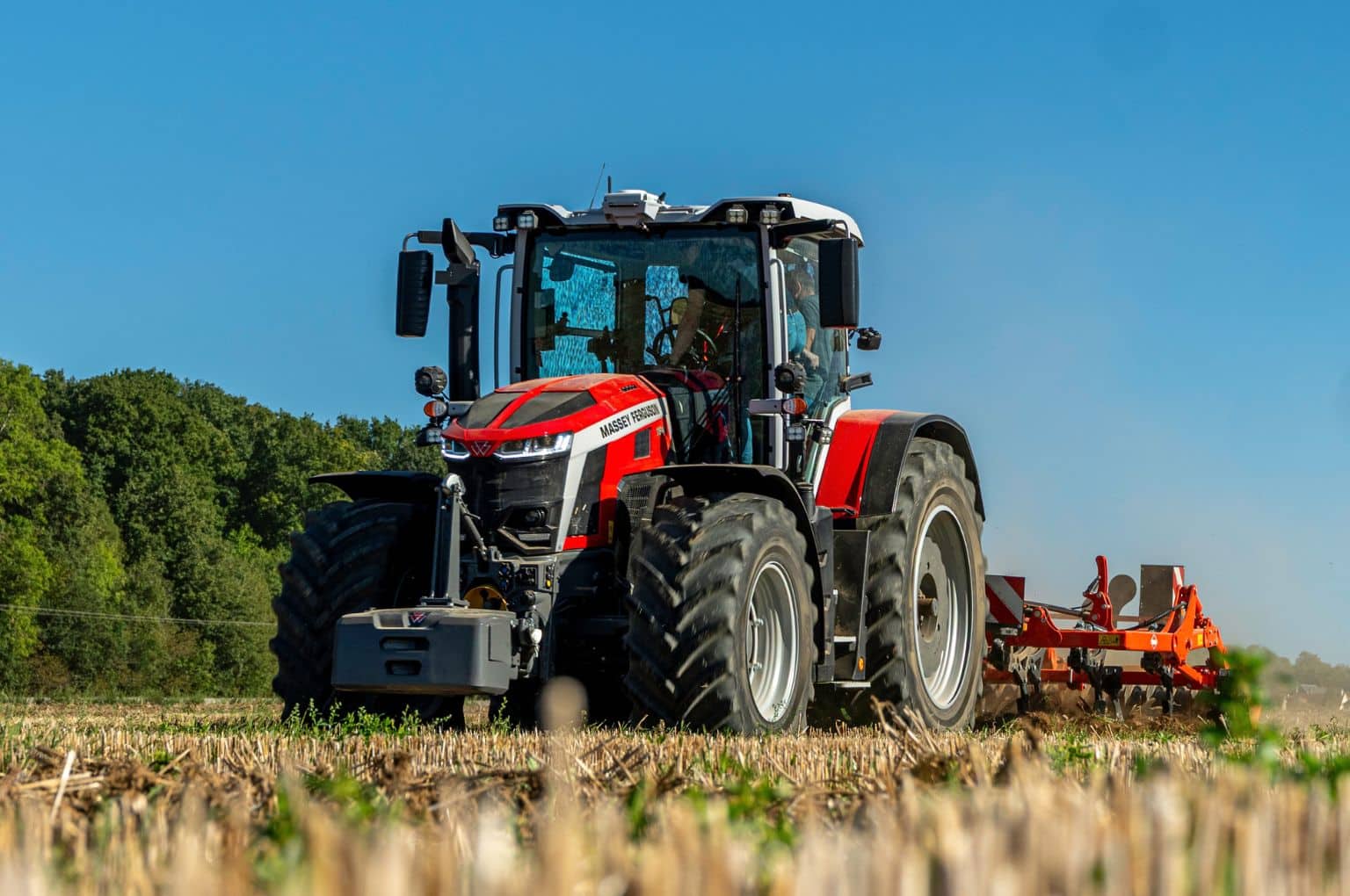
Massey Ferguson unveils its new mid-to-high horsepower tractor range. Among the contenders for Tractor of the Year 2027, the new line-up comprises six models and
Geopolitical strain and rising costs dampen machinery demand. Here’s the report by CEMA
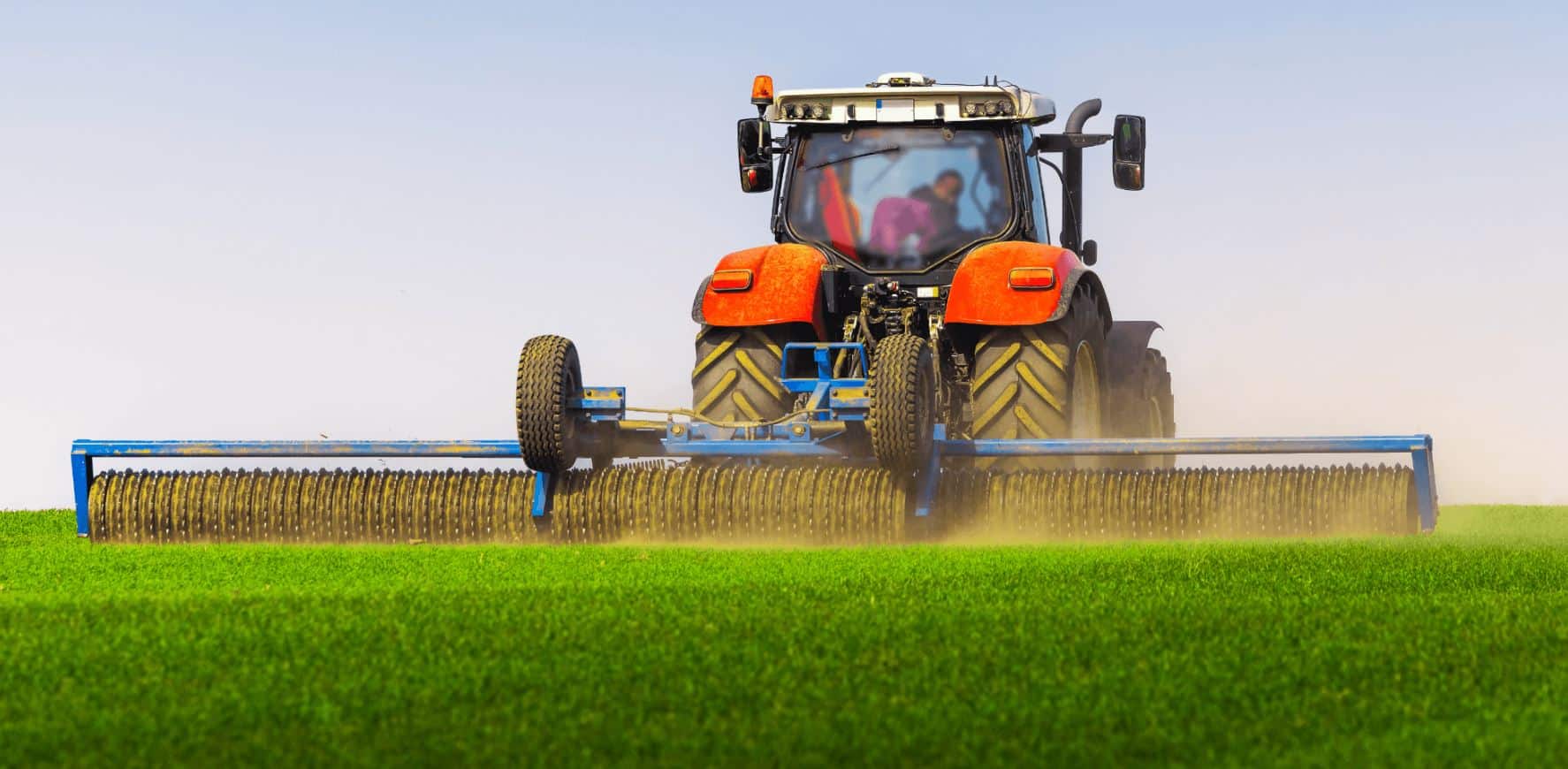
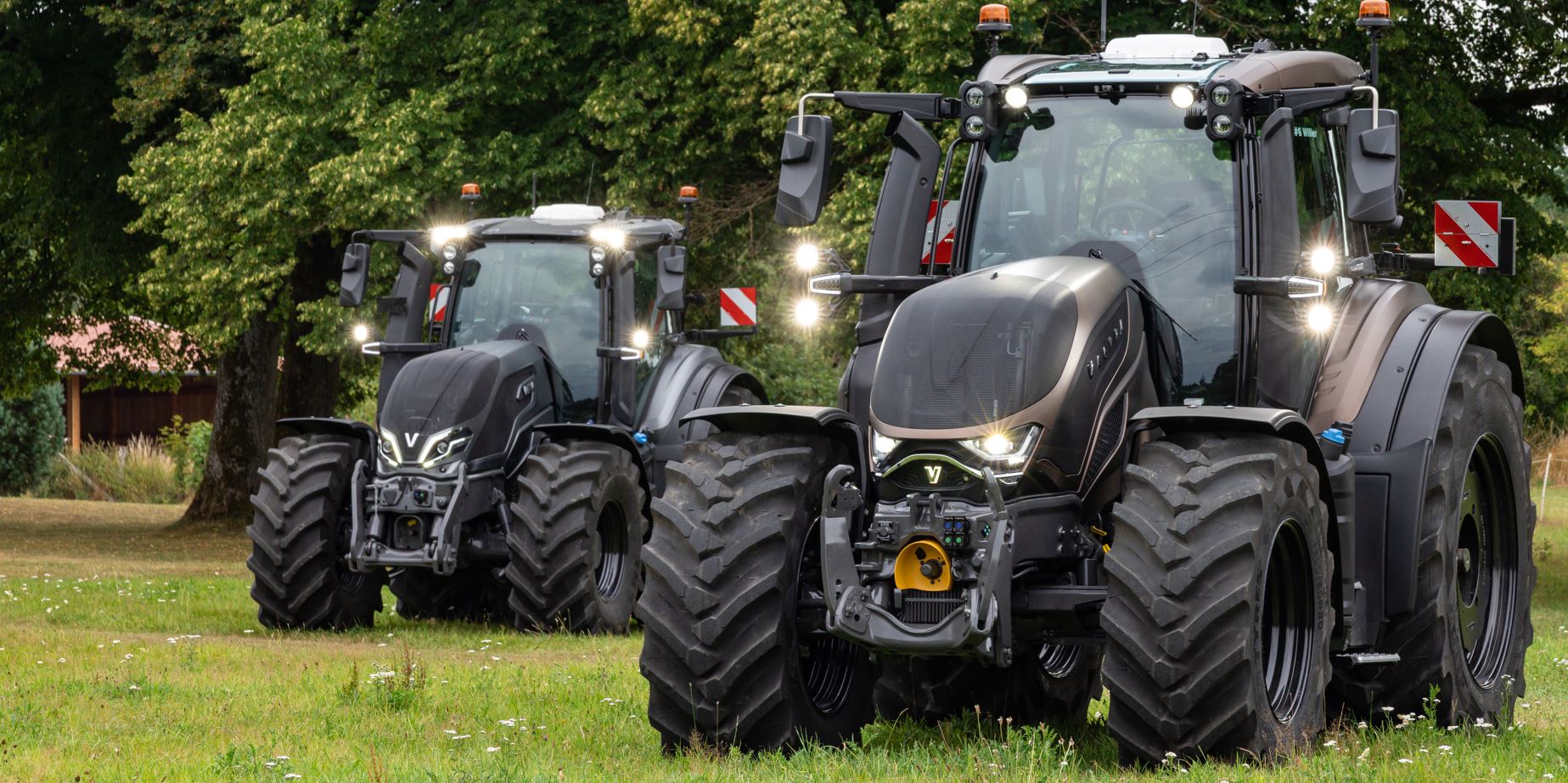

TYRI is globally recognised for manufacturing high-quality lighting solutions, that combine precision engineering with cutting-edge innovation. With decades of experience serving the off-highway sector, TYRI
Geopolitical strain and rising costs dampen machinery demand. Here’s the report by CEMA
Dedicated to low-horsepower models, the new partnership with Indian manufacturer International Tractors Limited aims to expand the product portfolio of the AGCO Group brand.
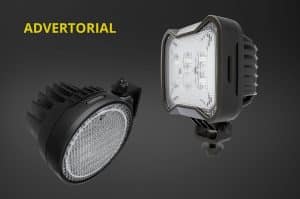
TYRI is globally recognised for manufacturing high-quality lighting solutions, that combine precision engineering with cutting-edge innovation. With decades of experience serving the off-highway sector, TYRI